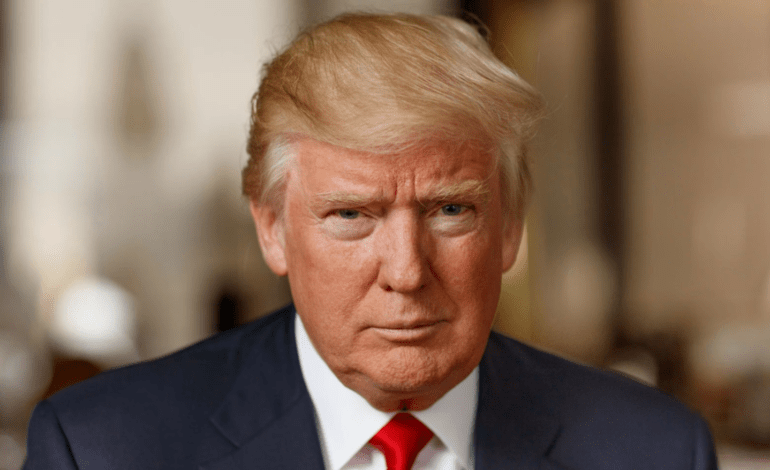
Trump’s energy pact with Pakistan raises security, geopolitical risks

US President Donald Trump’s announcement of a new partnership with Pakistan to jointly develop its oil reserves has stirred fresh debate about South Asia’s geopolitical balance. While Trump highlighted “massive oil reserves,” Pakistan’s proven crude capacity remains limited at around 238 million barrels, far below global energy leaders.
The real attraction lies in Pakistan’s estimated 18 trillion cubic feet of natural gas and some 9 billion barrels of technically recoverable shale oil, much of it in Balochistan. But the province is one of the most unstable regions in South Asia, combining energy wealth with deep-rooted insurgency and volatile security dynamics.
According to retired IAS officer KBS Sidhu, any US energy involvement in Balochistan will face the dual challenge of insurgent violence and competing international interests. The region already hosts Chinese-backed projects under the China-Pakistan Economic Corridor (CPEC), tied to Gwadar Port. Insurgent groups like the Baloch Liberation Army have repeatedly targeted pipelines, mines, and foreign workers, raising the stakes for American firms.
For Baloch nationalists, a US entry into local energy projects could be viewed as yet another attempt at resource exploitation, potentially triggering more unrest. This, Sidhu notes, would complicate both Washington’s and Islamabad’s plans, while also creating new friction with Beijing.
Beyond commercial and security risks, the deal has significant diplomatic implications. It signals Washington’s willingness to engage Pakistan through commerce rather than military aid, reshaping the framework of US-Pakistan ties. For India, the move is a reminder to hedge its own energy strategy, strengthen defence and technology cooperation with Washington, and leverage trade negotiations to protect its interests.
Ultimately, Trump’s oil pact is more than an energy initiative — it is a test of how India navigates shifting alignments in South Asia’s high-stakes geopolitical landscape.