US-China trade talks in Madrid spotlight TikTok and soybeans as new bargaining chips

TikTok and American soybeans have unexpectedly taken center stage in the first round of US-China trade talks in Madrid, reflecting the evolving nature of the world’s most consequential economic rivalry.
On September 14, US officials led by Treasury Secretary Scott Besant and Trade Representative Jamieson Greer held six hours of negotiations with China’s delegation, led by Vice Premier He Lifeng. While long-standing issues such as tariffs, AI chip restrictions, and rare earth exports remained unresolved, two new sticking points emerged — Washington’s pressure for a forced TikTok divestment and Beijing’s leveraging of soybean imports.
The Trump administration has repeatedly warned that TikTok, owned by China’s ByteDance, poses national security risks. With a final divestment deadline looming, Washington is using the Madrid talks to push Beijing for concessions. In response, China signaled it may scale back purchases of US soybeans, a move that could hurt American farmers during peak harvest season.
Analysts see both issues as symbolic bargaining chips in a larger struggle over technology dominance and agricultural leverage. “TikTok embodies the tech rivalry, while soybeans highlight trade interdependence,” one trade expert noted.
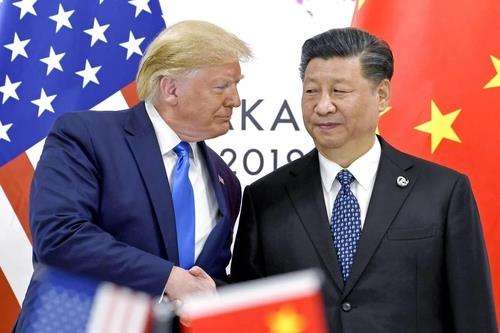
The Madrid talks come just weeks before a possible Trump-Xi summit at the APEC meeting in Gyeongju, South Korea, where broader compromises could be sought. Diplomatic observers believe progress is essential before the current 90-day tariff ceasefire expires in November.
China, meanwhile, is showcasing alternatives through multilateral forums, including the Shanghai Cooperation Organization and closer ties with Russia and North Korea. The US, for its part, continues to rally allies on supply chain resilience and market access.
Whether TikTok and soybeans remain bargaining chips or become breaking points will determine the trajectory of US-China trade relations in the months ahead.