‘Tit-for-Tat’ U.S.-Iran attacks appear to be over as diplomacy returns

By: IndoUS Tribune News Desk
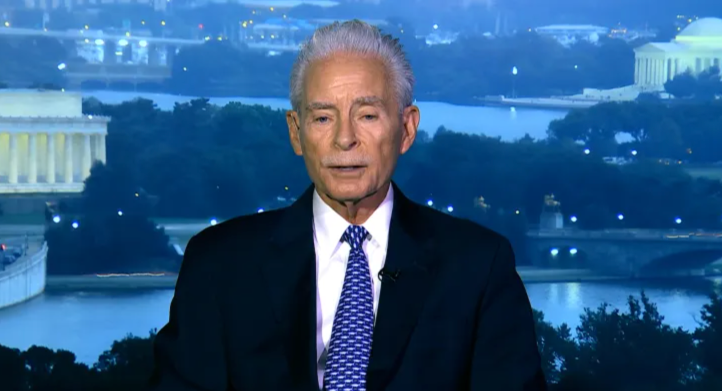
Recent military exchanges between the United States and Iran appear to have reached a pause, with diplomatic efforts gaining momentum to prevent further escalation in the Middle East. Former U.S. Ambassador to Oman Richard Schmierer said the latest round of “tit-for-tat” attacks seems to have run its course, creating an opportunity for renewed dialogue.
According to Schmierer, regional mediation by Qatar and Pakistan has played an important role in encouraging both Washington and Tehran to return to diplomacy after days of heightened tensions. The diplomatic push comes amid growing international concern over the possibility of a wider regional conflict that could disrupt global energy supplies and maritime trade.
Talks are expected to take place in Doha on Tuesday, where discussions will reportedly focus on ensuring the safe passage of commercial vessels through the Strait of Hormuz, one of the world’s most strategically important maritime chokepoints. Nearly one-fifth of the world’s oil supply passes through the narrow waterway, making stability in the region critical for global markets.
Any disruption in the Strait of Hormuz could significantly impact international oil prices, shipping costs, and energy security, affecting economies across Asia, Europe, and North America. Countries that depend heavily on imported energy, including India, are closely monitoring developments.
While no formal agreement has yet been announced, the apparent easing of hostilities has raised cautious optimism among diplomats and international observers. Analysts note that continued dialogue could help reduce tensions and prevent further military confrontation between the two longtime adversaries.
The coming days will be crucial in determining whether the current diplomatic efforts lead to a lasting de-escalation or merely provide a temporary pause in the conflict. For now, global attention remains focused on Doha as negotiators seek to preserve regional stability and protect one of the world’s most vital shipping corridors.