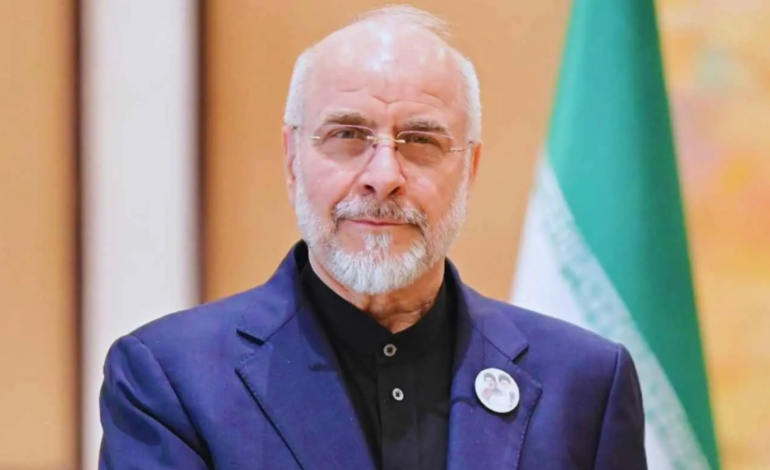
US failed to gain Iran’s trust during talks, says Ghalibaf

Mohammad Baqer Ghalibaf has said the United States failed to gain Iran’s trust during recent high-level negotiations, despite what he described as Tehran’s willingness to engage in “good faith.”
In a series of statements, Ghalibaf said the Iranian delegation presented “forward-looking initiatives” during the talks but remained unconvinced by the U.S. position. “We have the necessary good faith and will, but due to past experiences, we have no trust in the opposing side,” he said, referring to previous conflicts and stalled negotiations.
The comments came after more than 20 hours of intensive discussions between Iranian and U.S. officials in Islamabad ended without an agreement. The talks were seen as a critical opportunity to revive diplomacy over Iran’s nuclear programme, but key differences remained unresolved.
Ghalibaf stressed that while Washington appeared to understand Iran’s “logic and principles,” it must now decide whether it can earn Tehran’s trust. He also praised the Iranian public for supporting the government’s stance and described diplomacy as a parallel track to military strength in defending national interests.
On the U.S. side, Vice President JD Vance acknowledged that the negotiations failed to produce a breakthrough. While noting “substantive discussions,” he said Iran had declined to accept Washington’s terms.
“We’ve made very clear what our red lines are,” Vance said, emphasizing that preventing Iran from developing nuclear weapons remains the core U.S. objective. He added that the United States is seeking long-term assurances rather than temporary commitments.
The failed talks highlight persistent divisions over key issues, including sanctions relief, nuclear enrichment limits, and verification mechanisms. These disagreements have repeatedly derailed efforts to reach a lasting agreement between the two sides.
The diplomatic setback comes at a time of heightened regional tensions, with a fragile ceasefire in place and ongoing disputes over strategic issues such as the Strait of Hormuz and broader Middle East security dynamics.
Analysts say the collapse of the talks underscores the deep trust deficit between Washington and Tehran, which continues to hinder progress despite periodic attempts at engagement.
With both sides maintaining firm positions, the prospects for a near-term agreement remain uncertain. However, officials have not ruled out further dialogue, leaving open the possibility of renewed negotiations in the future.