US lawmakers move to end 50% tariffs on Indian imports

A group of senior Democratic lawmakers in the US House of Representatives has introduced a congressional resolution seeking to terminate tariffs of up to 50 per cent on imports from India, arguing that the measures are unlawful and economically damaging.
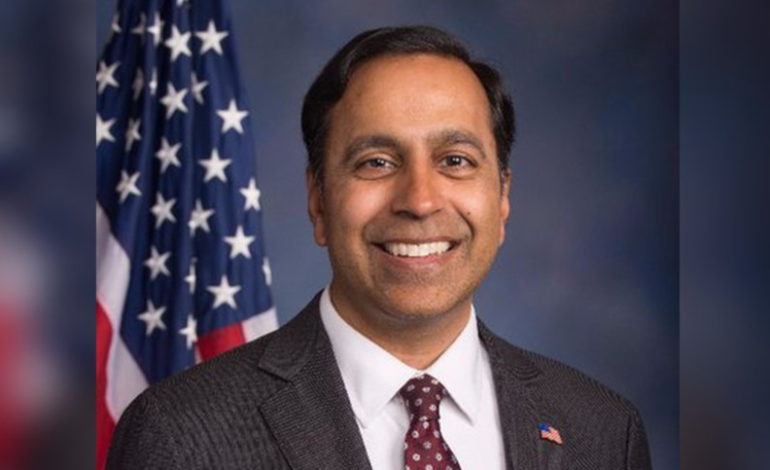
The resolution is being led by Indian American Congressman Raja Krishnamoorthi, along with Congresswoman Deborah Ross and Congressman Marc Veasey. It aims to revoke the national emergency declared by President Donald Trump under the International Emergency Economic Powers Act (IEEPA), which authorised the imposition of steep tariffs on Indian goods.
According to the sponsors, the move would also roll back an additional 25 per cent in “secondary” duties imposed in August, which were layered on top of earlier reciprocal tariffs and pushed total duties on some Indian products to as high as 50 per cent.
Krishnamoorthi said the tariff policy had weakened a vital strategic and economic partnership. He argued that the duties disrupted supply chains, raised costs for American consumers, and harmed US workers without advancing national security or economic interests.
Ross said the impact of the tariffs was being felt directly at the state level, particularly in regions with strong trade and investment ties to India. She pointed to Indian investment in North Carolina’s life sciences and technology sectors and warned that tariff-related uncertainty threatened jobs and competitiveness.
Veasey highlighted the consumer impact, describing the tariffs as an added burden on households already struggling with rising costs. He said India remains a critical cultural, economic and strategic partner for the United States.
The initiative follows a bipartisan Senate-approved measure to terminate tariffs on Brazil and reflects broader congressional concern over what lawmakers describe as the misuse of emergency powers to impose wide-ranging trade restrictions.
Supporters of the resolution say ending the India tariffs would help restore stability and predictability to US trade policy while strengthening ties with a key global partner.