US senators push to renew quantum research law to strengthen global tech leadership

A bipartisan group of US senators has introduced new legislation to renew and expand the National Quantum Initiative, a federal programme designed to maintain American leadership in quantum technology amid intensifying global competition.
First enacted in 2018, the National Quantum Initiative coordinates federal research efforts in quantum computing, quantum networking and quantum sensing. The proposed bill would extend the programme for another five years, through December 2034, while broadening its scope and funding to address national security, economic competitiveness and workforce development.
Lawmakers backing the measure said sustained government investment is essential as rival nations, particularly China, sharply increase spending on quantum science and applications.
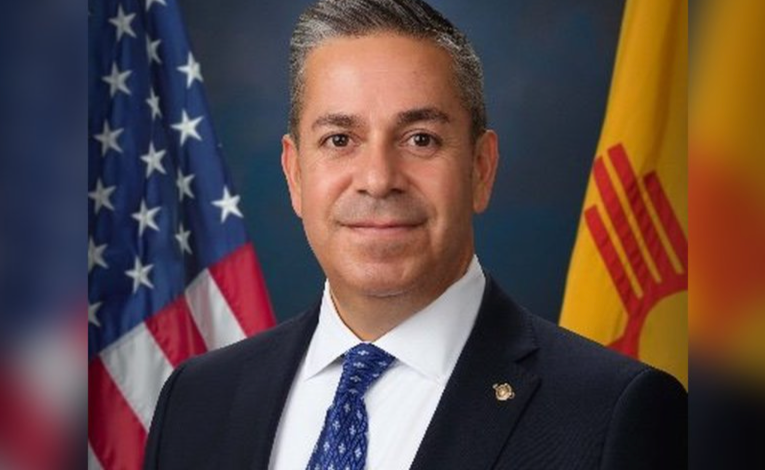
“Ensuring the United States is at the forefront of quantum research and development is crucial for our national security and future technological leadership,” Senator Ben Ray Luján said. He added that the bill would promote innovation nationwide and strengthen states already hosting quantum research hubs.
The legislation places new emphasis on cooperation with trusted international partners, reflecting Washington’s growing collaboration with countries such as India on critical and emerging technologies. The United States and India have already identified quantum science as a shared priority under bilateral technology frameworks, while India has launched its own National Quantum Mission to build domestic capabilities.
Senator Maria Cantwell said quantum technology has the potential to transform sectors ranging from communications and healthcare to defence and energy. She stressed that federal funding is needed to move discoveries from research laboratories into real-world applications. Cantwell said the initiative would support workforce training, strengthen supply chains and create high-skilled jobs.
Republican Senator Todd Young said the legislation is driven by the need to compete globally. “We must ensure the United States has the talent, research infrastructure and innovation ecosystem required to outcompete China and lead the next generation of technologies,” he said.
Several other lawmakers voiced bipartisan support. Senator Dick Durbin said long-term investment in quantum research centres is vital to preserving US leadership. Senator Steve Daines said quantum research already supports jobs in states like Montana and needs predictable funding. Senator Marsha Blackburn warned that the US cannot afford to fall behind strategic adversaries, while Senator Tammy Baldwin highlighted the importance of bipartisan cooperation in securing America’s technological future.
Under the proposed bill, quantum research and education programmes at the National Institute of Standards and Technology (NIST) and the National Science Foundation (NSF) would be reauthorised. For the first time, the legislation would also authorise quantum research initiatives at the National Aeronautics and Space Administration (NASA), including work on quantum satellite communications and advanced sensing technologies.
The bill would establish up to three new quantum centres at NIST and create five new multidisciplinary quantum research and education centres at NSF. These centres would provide shared infrastructure, advanced training and collaboration opportunities for scientists, engineers and students.
Senate Democratic Leader Chuck Schumer said quantum technology is critical to both national security and job creation. Senator Mike Rounds said the bill aligns with President Donald Trump’s priority of maintaining American leadership in advanced science and technology.
Industry groups welcomed the proposal. The Quantum Industry Coalition said the legislation would strengthen US leadership in quantum computing, sensing and networking. Major technology companies, including IBM, Microsoft and Google, urged Congress to move swiftly, citing the need for stable funding and strong public-private partnerships.
Supporters warned that failing to renew the National Quantum Initiative could weaken America’s position as global competition in quantum technology accelerates.