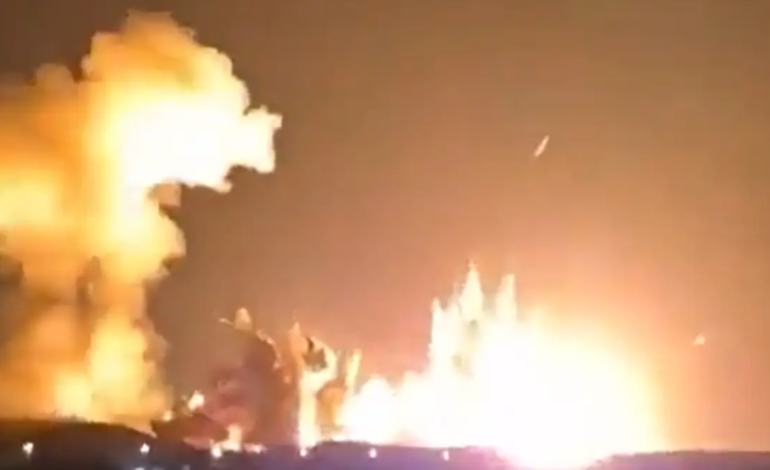
Why the US targeted Iran’s Isfahan with bunker buster bombs

The United States’ decision to strike Iran’s central city of Isfahan with powerful bunker buster bombs marks a significant escalation in the ongoing conflict, reflecting the strategic importance of the location to Tehran’s military and nuclear infrastructure.
Isfahan is widely regarded as one of Iran’s most critical defence hubs. It hosts key military installations, weapons depots, and elements of the country’s defence industry. More importantly, the city is home to the Isfahan Nuclear Technology Centre, one of Iran’s प्रमुख uranium enrichment sites, making it a high-value target in efforts to curb Tehran’s nuclear capabilities.
According to reports, the U.S. used 2,000-pound (approximately 900-kg) bunker buster bombs — specialized munitions designed to penetrate hardened and underground structures before detonating. These weapons are typically deployed against fortified bunkers, tunnels, and nuclear facilities that conventional bombs cannot effectively destroy.
Satellite imagery and expert analysis have suggested that Isfahan may also house a significant portion of Iran’s highly enriched uranium stockpile. Images captured prior to earlier hostilities indicated that containers believed to hold enriched uranium were transported into underground tunnels at the facility. Analysts estimate that the material could be enriched up to 60 percent purity, just below weapons-grade levels, raising concerns about its potential use.
By targeting Isfahan, the U.S. appears to have aimed at both destroying critical military stockpiles — including missiles and ammunition — and disrupting Iran’s nuclear program. The use of bunker busters suggests a focus on deeply buried assets, such as underground storage sites and fortified research facilities.
The strike also sends a broader strategic message. It signals Washington’s willingness to escalate militarily if diplomatic efforts fail, particularly as tensions have risen following disruptions in the Strait of Hormuz and ongoing attacks on regional infrastructure.
Despite the scale of the strike, there have been no confirmed reports of radiation leaks or nuclear contamination, indicating that either the nuclear material was not directly hit or that safeguards prevented a major incident.
The timing of the attack is significant. It came amid heightened geopolitical tensions and just days after warnings from U.S. leadership about potential strikes on Iran’s critical infrastructure. The move underscores a dual approach — combining military pressure with ongoing diplomatic efforts through intermediaries.
However, the strike has also intensified fears of further escalation. Iran has responded with threats to expand its actions, including tighter control over the Strait of Hormuz, a vital route for global oil shipments. Any prolonged disruption could have far-reaching consequences for global energy markets and economic stability.
As the conflict deepens, the targeting of Isfahan highlights the high stakes involved, both in terms of military objectives and the broader geopolitical balance in the region.