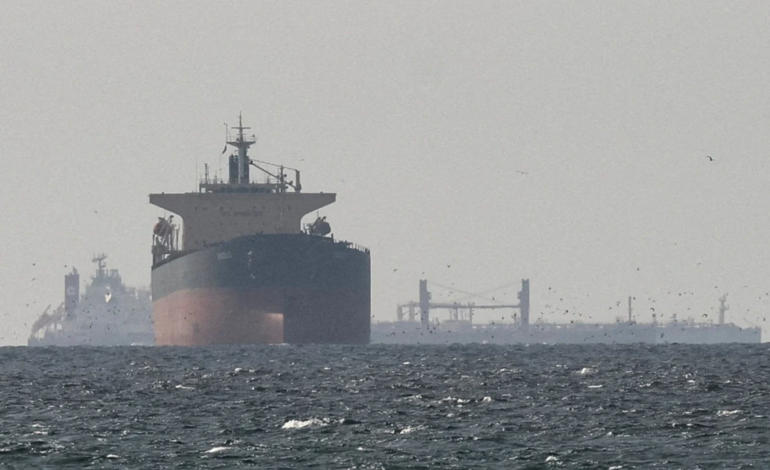
22 countries urge Iran to reopen Hormuz as tensions escalate

A coalition of 22 countries has called on Iran to immediately halt attacks and restore full access to the Strait of Hormuz, warning that continued disruption could have far-reaching global economic consequences.
In a joint statement issued Saturday, the countries condemned Iran’s actions against commercial shipping and critical infrastructure, including oil and gas facilities. They described the situation as a “de facto closure” of one of the world’s most vital maritime corridors.
“The effects of Iran’s actions will be felt by people in all parts of the world, especially the most vulnerable,” the statement said, highlighting the broader economic risks tied to the disruption of global energy supplies.
Among the nations backing the appeal are the United Arab Emirates, Bahrain, the United Kingdom, Germany, France, Japan, South Korea, and Australia. The group also signaled readiness to take coordinated measures to ensure maritime security and the safe passage of vessels through the strait.
“We express our readiness to contribute to appropriate efforts to ensure safe passage through the Strait,” the statement added, noting that several countries are already engaged in preparatory planning.
The Strait of Hormuz is a critical artery for global energy flows, handling roughly one-fifth of the world’s oil and liquefied natural gas shipments. However, shipping activity has largely stalled since the conflict escalated three weeks ago, contributing to rising global energy prices and increasing volatility in international markets.
Meanwhile, the United States has asserted that its recent military operations have significantly reduced Iran’s ability to threaten navigation in the region. Admiral Brad Cooper, head of US Central Command, said American forces targeted a fortified underground facility along Iran’s coastline.
“We not only took out the facility, but also destroyed intelligence support sites and missile radar relays that were used to monitor ship movements,” Cooper said in a video message.
He added that Iran’s capability to disrupt maritime traffic has been “degraded,” but emphasized that US forces will continue to pursue similar targets to maintain freedom of navigation.
According to US officials, the site housed anti-ship cruise missiles and mobile launch platforms used to track and potentially target vessels passing through the strait.
Despite these claims, the waterway remains effectively closed, keeping global markets on edge. The situation has intensified diplomatic pressure on Tehran while raising concerns that further escalation could trigger a broader international response.