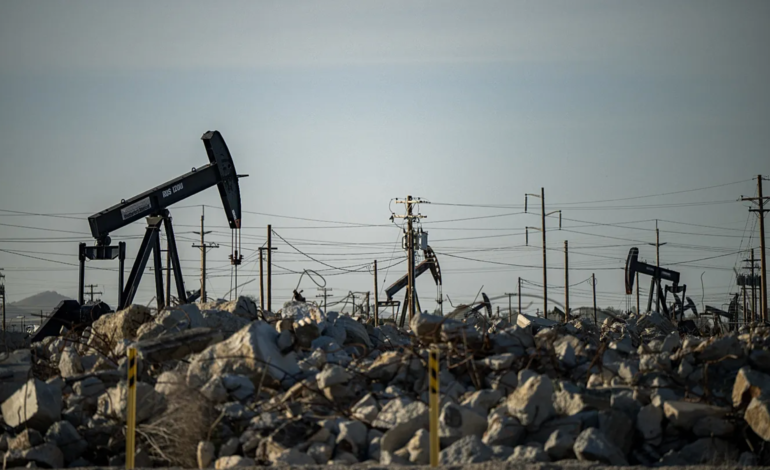
Energy prices surge as Iran strikes Gulf facilities after Israel hits South Pars gas field

Global energy markets were jolted on Thursday as oil and gas prices surged sharply following Iran’s retaliatory strikes on key energy infrastructure across the Gulf, marking a major escalation in the ongoing regional conflict.
European gas prices jumped nearly 28 percent, while benchmark Brent crude rose above $114 per barrel after briefly touching $119 earlier in the day. The spike comes amid growing concerns that sustained attacks on critical facilities could disrupt global supply chains for an extended period.
The escalation follows Israeli strikes on Iran’s South Pars gas field, the world’s largest natural gas reserve. In response, Iran launched aerial attacks targeting major energy sites in Qatar, Saudi Arabia, Kuwait, and the United Arab Emirates.
Also See: India–Russia business talks emerge as pillar of strategic partnership
Qatar’s Ras Laffan Industrial City—one of the world’s largest liquefied natural gas (LNG) hubs—suffered extensive damage after missile strikes hit processing facilities, triggering large fires. QatarEnergy confirmed that emergency teams contained the fires, and no casualties were reported, but the scale of the damage raised concerns about long-term disruptions.
In Saudi Arabia, a drone fell at the Aramco-Exxon SAMREF refinery, while a ballistic missile aimed at Yanbu, a key Red Sea export terminal, was intercepted. Oil shipments from Yanbu were briefly halted. Meanwhile, drone attacks in Kuwait caused fires at the Mina al-Ahmadi and Mina Abdullah refineries, disrupting operations.
The United Arab Emirates also shut down gas facilities at Habshan after intercepting incoming missiles, highlighting the widening geographic scope of the conflict.
Analysts warn that damage to such large-scale infrastructure could take months or even years to fully repair. The Strait of Hormuz, through which nearly 20 percent of global oil and LNG flows, remains under threat, further amplifying market fears.
Also See: India shows robust optimism and trust for AI unlike West: Rishi Sunak
U.S. President Donald Trump issued a stern warning, stating that any further Iranian attack on Qatari energy facilities could trigger a massive American response. The sharp escalation has also raised concerns about stagflation risks, as rising energy costs could slow economic growth while driving inflation.
European leaders are now exploring emergency measures to cushion the impact of soaring energy prices, though divisions among member states may limit coordinated action.
With tensions continuing to rise and critical energy infrastructure under threat, markets remain on edge over the possibility of prolonged disruptions to global oil and gas supplies.
Also See:Dubai Airport temporarily suspends flights after drone hits fuel tank