Iran demands Lebanon ceasefire, asset release before peace talks

Iran has set fresh conditions ahead of planned peace talks with the United States, insisting that a ceasefire in Lebanon and the release of frozen assets must be fulfilled before negotiations can begin.
Iranian Parliament Speaker Mohammad Baqer Qalibaf said both conditions were previously discussed with Washington and warned that Tehran would not proceed with talks unless they are met. His stance was reinforced by Foreign Minister Abbas Araqchi, who called for an immediate halt to Israeli airstrikes in Lebanon.
The demands cast uncertainty over scheduled negotiations in Pakistan, where U.S. Vice President JD Vance is expected to lead the American delegation. Vance expressed cautious optimism but warned Iran against attempting to “play” the United States during negotiations.
Meanwhile, Donald Trump signaled readiness to escalate military action if diplomacy fails, stating that U.S. warships were being rearmed to resume strikes if talks collapse. “We’re going to know soon,” Trump said, referring to the outcome of the discussions.
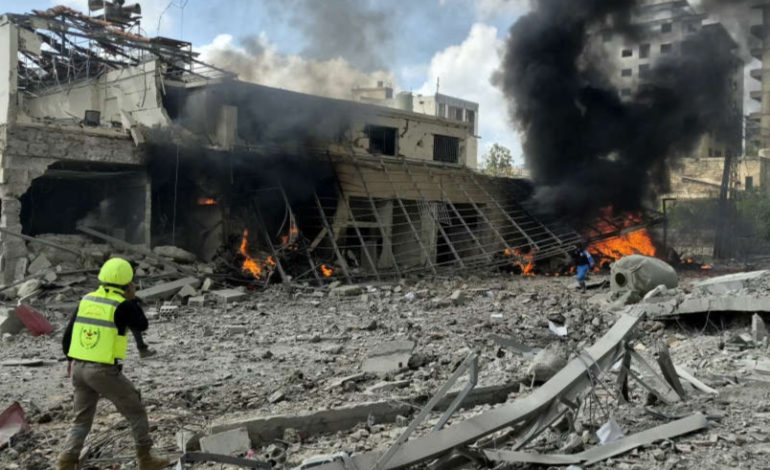
The fragile two-week ceasefire announced earlier this week has paused direct U.S. and Israeli strikes on Iran but failed to stabilize the broader region. Israeli operations against Hezbollah in Lebanon continue, with fresh airstrikes reported across southern areas.
Lebanese authorities said at least 13 security personnel were killed in a strike on a government building in Nabatieh, highlighting the ongoing intensity of the conflict. Overall casualties in Lebanon have surged since the escalation began, further complicating diplomatic efforts.
Iran is also pressing for the unfreezing of billions of dollars in overseas assets blocked under U.S. sanctions. These funds, largely tied to oil and gas exports, remain a critical issue for Tehran as it seeks economic relief.
Adding to tensions, the Strait of Hormuz remains partially disrupted, with limited global shipping activity. Iran has indicated it may assert greater control over the waterway, raising concerns about global energy supply and economic stability.
Iran’s Supreme Leader Mojtaba Khamenei has also taken a hardline stance, demanding compensation for wartime damages and signaling that Tehran will not compromise without significant concessions.
With competing demands and ongoing violence in Lebanon, the path to a durable agreement remains uncertain. The upcoming talks are now seen as a critical test of whether fragile de-escalation can evolve into a broader peace framework.