Top Iranian security official to visit Oman after indirect nuclear talks with US

Ali Larijani, secretary of Iran’s Supreme National Security Council (SNSC), will lead a high-level delegation to Muscat on Tuesday for talks with senior Omani officials, SNSC-affiliated Nour News reported.
The visit comes days after Oman hosted and mediated a round of indirect nuclear negotiations between Iran and the United States on Friday. With tensions running high between Tehran and Washington, Oman is increasingly seen as a likely venue for future dialogue.
Larijani is expected to discuss regional security issues, evolving geopolitical developments in West Asia, and bilateral Iran–Oman relations during his meetings in Muscat.
Speaking in Tehran on Sunday, Iranian Foreign Minister Seyed Abbas Araghchi said the timing and venue of the next round of nuclear talks would be decided in consultation with Oman. He also cautioned that Washington had not shown sufficient seriousness to advance diplomacy.
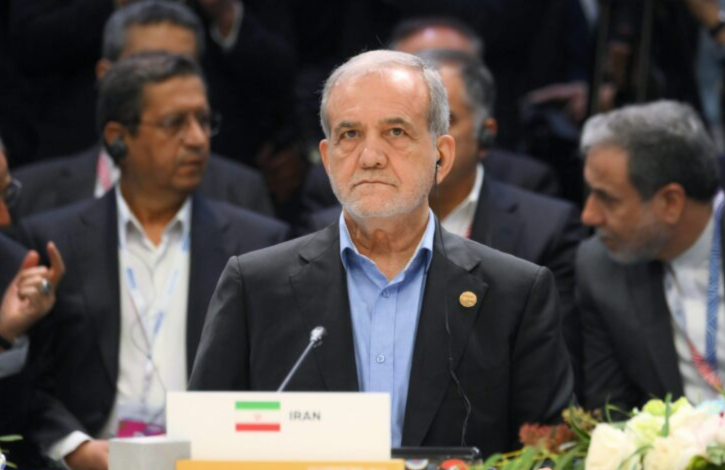
Meanwhile, Iranian President Masoud Pezeshkian described the recent indirect talks as a “step forward,” even as the US announced fresh sanctions and tariff threats against Iran. The discussions marked the first high-level contact between the two adversaries since last June’s Israel–Iran confrontation, during which the US targeted Iranian nuclear facilities.
Pezeshkian framed engagement as part of Iran’s consistent strategy for peaceful resolution, while analysts see it as cautious crisis management rather than a breakthrough. Writing on X, he said Iran’s nuclear activities fall within rights guaranteed under the Nuclear Nonproliferation Treaty and warned that Tehran rejects “the language of force.”
Araghchi, who led Iran’s delegation in Muscat, said ongoing sanctions and certain US military movements in West Asia cast doubt on Washington’s commitment to diplomacy. He stressed that Iran’s peaceful uranium enrichment is non-negotiable and that its missile programme will not be part of any talks.
The US and Israel have demanded that Iran dismantle its nuclear capacity and limit its ballistic missile programme — conditions Tehran is unlikely to accept.