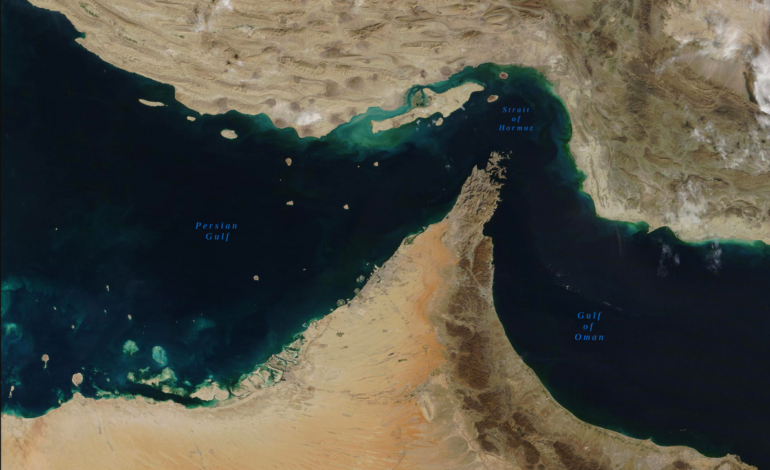
Iran warns of full Hormuz closure if US strikes power plants

Tensions in the Middle East escalated sharply as Iran warned it could completely shut the Strait of Hormuz if the United States follows through on threats to strike Iranian power plants, while Israel intensified military operations across multiple fronts.
The warning comes after US President Donald Trump issued a 48-hour ultimatum to Iran to fully reopen the vital shipping route. In response, Iranian officials signaled that any direct attack on critical infrastructure would trigger a closure of the Strait of Hormuz, a key artery for nearly one-fifth of global oil shipments.
Despite the escalating rhetoric, Iran’s representative to the United Nations maritime agency stated that the strait remains open to international shipping, except for vessels linked to what Tehran describes as “enemy” nations.
Meanwhile, Israeli Prime Minister Benjamin Netanyahu accused Iran of targeting civilian and religious sites in Jerusalem, including the Western Wall, the Church of the Holy Sepulchre, and the Al-Aqsa Mosque. The claims have further heightened tensions in an already volatile environment.
On the ground, Israel has expanded its military campaign. Defense Minister Israel Katz said he and Netanyahu have instructed the military to accelerate operations in southern Lebanon, including demolishing homes in frontline villages and destroying bridges over the Litani River, which Israel claims are being used for militant activity.
Cross-border violence has intensified, with rocket fire from Lebanon killing at least one person in northern Israel. Hezbollah claimed responsibility for attacks on Israeli soldiers, marking the first reported fatality in that area since the latest conflict began.
In southern Israel, Iranian missile strikes injured more than 100 people after air defense systems reportedly failed to intercept incoming projectiles. Iran has continued to warn that it may expand its targeting of regional infrastructure if hostilities persist.
The situation remains fluid, with diplomatic efforts struggling to keep pace with rapid military developments. Analysts warn that any move to close the Strait of Hormuz could trigger a severe global energy crisis, disrupt supply chains, and draw in additional international actors.
As threats escalate and military actions intensify, the conflict shows increasing signs of widening beyond its initial scope, raising fears of a broader regional—and potentially global—confrontation.