Netanyahu seeks global support as Iran restricts Hormuz access

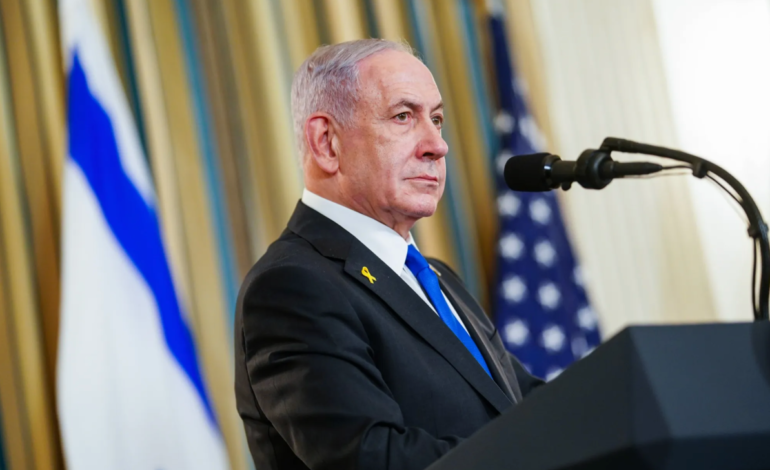
Israeli Prime Minister Benjamin Netanyahu has called for stronger international support and broader coordinated action against Iran, as tensions escalate over control of the strategically vital Strait of Hormuz.
Netanyahu’s appeal comes amid growing concern over global energy security and maritime stability, with the ongoing conflict between Israel, the United States, and Iran increasingly impacting international shipping routes and oil markets.
At the center of the crisis is Iran’s latest position on the Strait of Hormuz. Tehran has stated that the key maritime corridor remains open to global shipping, but with significant restrictions. According to Iran’s representative to the United Nations’ maritime agency, vessels linked to what it describes as “enemy” nations—including the United States and Israel—will not be allowed safe passage.
The Strait of Hormuz, a narrow but crucial waterway, handles nearly one-fifth of the world’s oil and gas shipments. Any limitation on access has immediate global repercussions, from rising energy prices to disruptions in international trade.
Netanyahu has urged allied nations to move beyond statements and take concrete steps to counter Iran’s actions. His call aligns with a growing international pushback, as more than 20 countries have already condemned Iran’s effective restriction of the strait and signaled readiness to ensure freedom of navigation.
Meanwhile, shipping activity in the region has dropped sharply due to security concerns, with only a fraction of normal vessel traffic continuing through the strait. Industry observers warn that continued disruption could trigger a prolonged global energy shock.
Iran, however, has defended its position, framing the restrictions as a security measure in response to ongoing military actions by the United States and Israel. Officials have indicated a willingness to cooperate with international bodies such as the International Maritime Organization on maritime safety, while maintaining their stance against vessels linked to adversarial nations.
The escalating standoff has heightened fears of a broader international confrontation. Analysts warn that any attempt to forcibly reopen the strait could lead to direct clashes involving multiple global powers, further destabilizing an already volatile region.
As diplomatic efforts struggle to gain traction, the Strait of Hormuz has once again become a focal point of geopolitical tension—underscoring how regional conflict can quickly evolve into a crisis with worldwide consequences.