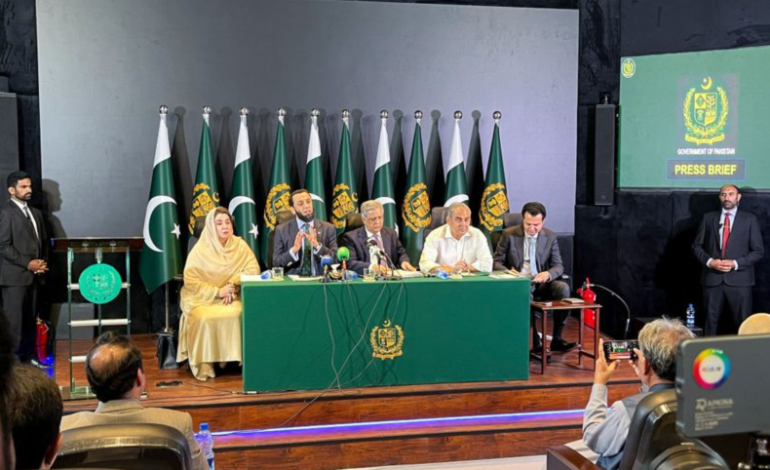
Pakistan declares emergency in Khyber Pakhtunkhwa, suspends provincial government

Pakistan President Asif Ali Zardari on Sunday, October 11, declared a state of emergency and imposed governor’s rule in the northwestern province of Khyber Pakhtunkhwa, effectively suspending the provincial government led by jailed former Prime Minister Imran Khan’s Pakistan Tehreek-e-Insaf (PTI) party.
The decision followed a recommendation from Prime Minister Shehbaz Sharif’s federal cabinet, which cited worsening law and order and the provincial government’s alleged failure to cooperate in efforts to combat terrorism. The measures were invoked under Articles 232 and 234 of Pakistan’s Constitution.
Under the arrangement, the provincial governor will assume executive authority with the support of an 11-member advisory council. Law Minister Azam Nazeer Tarar said the chief minister, provincial ministers and advisers would cease to hold office. The federal government also announced plans to deploy military personnel to assist with security.
The emergency comes amid rising militant violence in the province, which borders Afghanistan, and escalating political tensions between the federal government and the PTI. Authorities have accused the provincial administration of failing to adequately address the security threat. PTI leaders reject the allegations and argue that the federal government has not provided sufficient support for counterterrorism efforts.
The move also coincides with preparations for a planned march toward Islamabad by Khan’s supporters, who are demanding his release and access to medical treatment. Khan has been imprisoned since 2023 and faces multiple legal cases, which he and his party describe as politically motivated.
PTI representatives have condemned the emergency, calling it an attack on the province’s democratic mandate and autonomy. The party has warned that the decision could deepen political instability rather than resolve the security crisis.
The federal government maintains that urgent measures are necessary to address the worsening security situation and improve coordination against militant groups.
The developments mark a significant escalation in Pakistan’s political confrontation, placing the future of the elected provincial administration and relations between Islamabad and the PTI at the center of national debate. The duration and practical impact of federal control will depend on the constitutional process and subsequent decisions by the authorities.