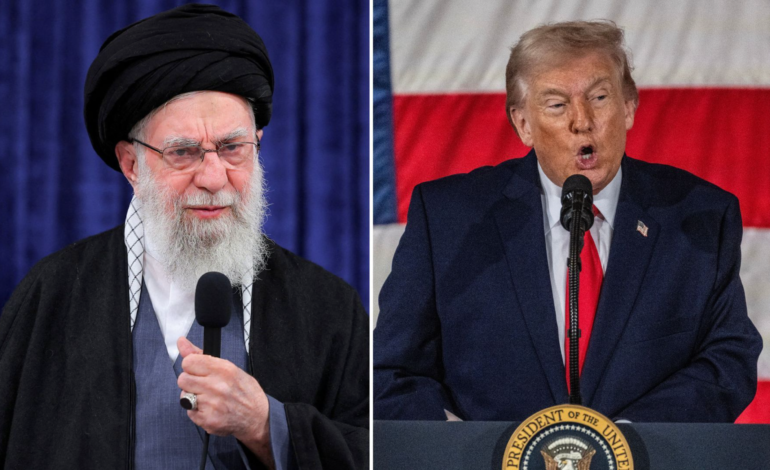
Trump delays Iran strikes, claims regime change underway

U.S. President Donald Trump on Monday said his administration would delay planned military strikes on Iranian power plants and energy infrastructure for five days, citing ongoing “productive conversations” with Tehran. At the same time, he claimed that a form of “regime change” is already underway in Iran, signaling confidence in the broader strategic direction of U.S. actions.
Speaking amid escalating tensions in the Middle East, Trump said the pause in military action would provide space for diplomatic engagement, though he did not offer details on the nature or scope of the discussions.
However, Iranian officials pushed back against the suggestion of progress. According to Iran’s Tasnim news agency, a senior official said the Strait of Hormuz would not return to pre-war conditions, warning that global energy markets would remain unstable. The official also stated that no negotiations with the United States are currently underway, casting doubt on prospects for de-escalation.
The Strait of Hormuz, a critical maritime route for global oil shipments, has become a central flashpoint in the conflict. Disruptions in the waterway have already triggered volatility in energy markets, raising concerns about long-term economic fallout.
Adding to the alarm, International Energy Agency (IEA) Executive Director Fatih Birol warned that the ongoing crisis poses a “major, major threat” to the global economy. Speaking in Canberra, Birol said the combined impact of the conflict could surpass the oil shocks of the 1970s and the disruptions caused by the Russia-Ukraine war, emphasizing that no country would remain unaffected if the situation worsens.
Meanwhile, Israel signaled a further escalation of its military campaign, with indications that it may launch a ground operation into Lebanon. Israeli forces have already destroyed a key bridge in the region, part of what officials describe as efforts to dismantle Hezbollah, the Iran-backed militant group.
The convergence of military escalation, economic uncertainty, and conflicting narratives underscores the fragile state of the crisis. While the temporary pause in U.S. strikes suggests a window for diplomacy, the absence of confirmed negotiations and continued military preparations point to a volatile and unpredictable path ahead.
As tensions persist, the risk of a broader regional conflict—and its global economic consequences—continues to grow.