US vows aggressive global counterterror push, warns of ISIS and Iran threats

The Trump administration has pledged to intensify its global counterterrorism campaign to prevent major attacks on the US homeland, warning that extremist groups such as ISIS and al-Qaida, along with state-backed actors including Iran, continue to pose serious threats.
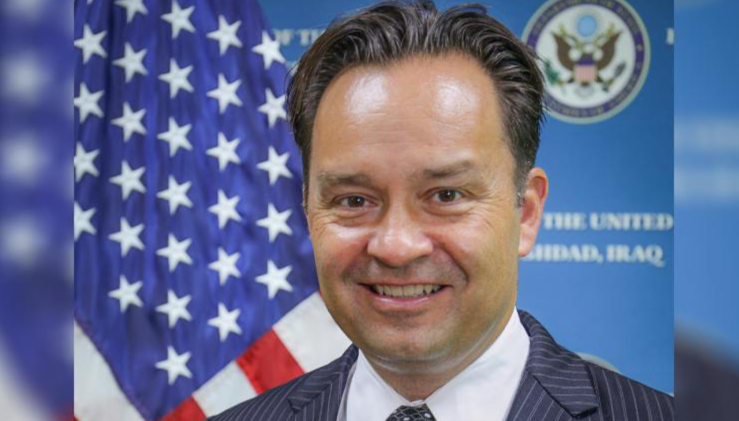
Testifying before the Senate Foreign Relations Committee, Gregory D. LoGerfo, President Donald Trump’s nominee for coordinator for counterterrorism and ambassador-at-large at the State Department, said the nature of the terrorist threat has evolved since the September 11 attacks but remains persistent and dangerous.
LoGerfo said ISIS and al-Qaida continue to recruit, radicalise and inspire violence worldwide, citing a recent New Year’s Day attack in New Orleans as evidence of ISIS’s enduring reach. He outlined an administration strategy focused on dismantling terrorist networks, confronting state sponsors, strengthening border security and expanding burden-sharing with allies.
He also pointed to President Trump’s designation of multiple cartels and gangs as foreign terrorist organisations, describing them as “narco-terrorists” that threaten security across the Western Hemisphere.
LoGerfo warned that Iran and its proxy groups — including Hezbollah, Hamas and the Houthis — continue to destabilise the Middle East despite Tehran’s weakened position. He cautioned that US officials, journalists, Jewish targets and Iranian dissidents could face heightened risks as pressure on Iran increases.
Addressing regional threats, LoGerfo said Afghanistan and Pakistan remain areas of concern due to the continued presence of ISIS-Khorasan, while ISIS and al-Qaida affiliates in the Sahel are expanding operations. He emphasised the need for greater cooperation with African and European partners, stressing shared responsibility and resources.
LoGerfo said the administration would deepen global counterterrorism partnerships, noting that “America First does not mean America alone.” He pledged close coordination with Congress and strict oversight of foreign assistance to ensure funds are used effectively to enhance US security.
During the hearing, LoGerfo said he considers the Muslim Brotherhood a national security threat and indicated the administration would pursue further designations in line with US law and in coordination with allies.
The United States has led international counterterrorism efforts since 9/11, with strategies continually adapting to address decentralised jihadist networks, state-sponsored militancy and emerging threats across Africa, the Middle East and South Asia.