US congressional panel divided over disability wage rule debate

A US House hearing in Wisconsin has reignited debate over Section 14(c), a federal provision that allows certain employers to pay workers with significant disabilities wages based on productivity levels.
The hearing, held at Green Valley Enterprises in Beaver Dam, brought lawmakers face-to-face with workers, advocates, and families. Representative Glenn Grothman said the aim was to move the discussion “out of the Beltway” and into local communities. He argued that work provides dignity, purpose, and engagement, and warned that eliminating Section 14(c) could result in job losses and the closure of facilities that serve vulnerable workers.
Supporters describe 14(c) as a pathway to employment for individuals who may otherwise struggle to find work. Barbara LeDuc, President and CEO of Opportunities Inc., urged lawmakers to preserve the rule as an employment “choice,” arguing that removing it would eliminate opportunities rather than barriers.
Parents also voiced support. Kathy Armstrong said her daughter, who has Down syndrome, benefits from the stability and structure the program provides, questioning how alternative community-based jobs would address limited work hours.
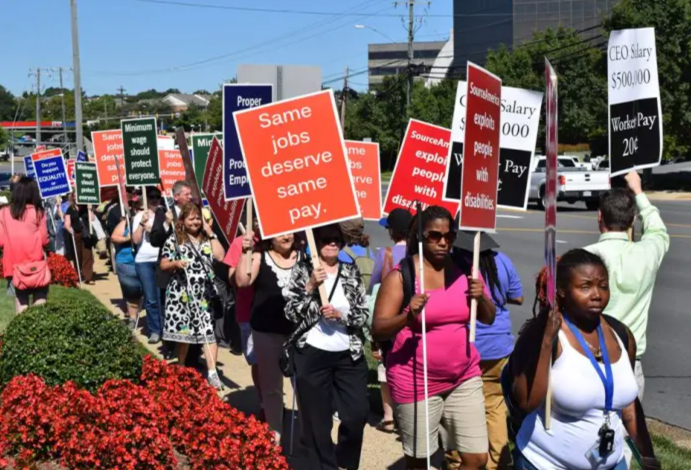
Opponents, however, argue that Section 14(c) perpetuates subminimum wages and segregated workplaces. Laura Owens, a professor at the University of Wisconsin-Milwaukee, said disability should not justify lower pay and cited research suggesting stronger employment outcomes in states that have ended subminimum wage certificates.
The issue reflects a broader national divide. As of 2024, 15 states and the District of Columbia have phased out subminimum wage programs, while others continue to defend them as part of an employment continuum for individuals with disabilities.