US-Iran ceasefire offers little relief as Indian sailors remain caught in Hormuz conflict

Optimism surrounding a possible extension of the fragile ceasefire between the United States and Iran has done little to ease concerns among Indian seafarers operating in the Strait of Hormuz, where a series of US military strikes on commercial vessels has resulted in the deaths of three Indian sailors.
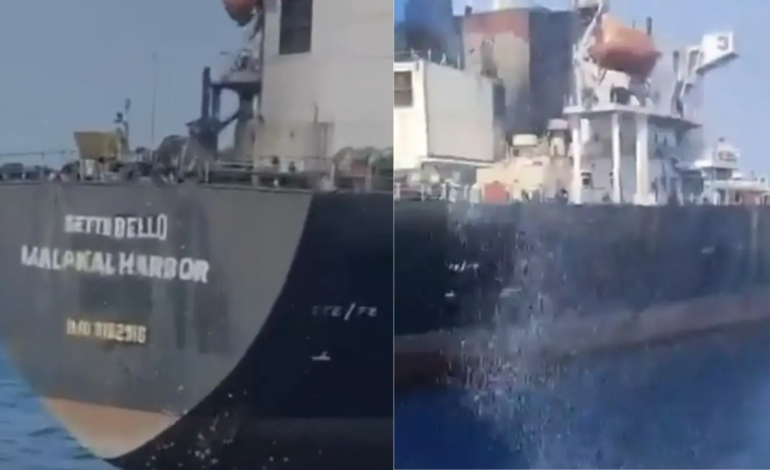
The latest incidents have sparked strong diplomatic protests from India after three merchant ships carrying Indian crew members were targeted within days. According to Indian officials, three sailors were killed aboard the Palau-flagged tanker Settebello, while other vessels suffered damage during operations conducted by US forces enforcing restrictions on Iranian oil shipments.
The attacks have heightened fears among thousands of seafarers working in one of the world’s most strategically important shipping corridors. Industry representatives argue that commercial vessels are increasingly being caught in geopolitical disputes despite having civilian crews and no military role.
India has formally raised the issue with Washington, summoning senior US diplomats and demanding explanations for the incidents. The Ministry of External Affairs described the attacks as deeply concerning and called for restraint, dialogue, and the restoration of regional stability.
The Strait of Hormuz remains a critical route for global energy supplies and international trade. However, ongoing military tensions, sanctions enforcement, and competing claims over maritime security have created significant risks for merchant shipping.
Maritime experts note that international law generally protects civilian vessels and seafarers, although legal debates continue regarding the enforcement of wartime blockades and sanctions. Critics argue that the use of missile strikes against commercial ships raises serious questions about proportionality and the protection of non-combatants.
For Indian sailors and their families, diplomatic discussions between Washington and Tehran offer little immediate reassurance. As ships continue to transit Gulf waters under heightened security threats, many seafarers remain concerned that they could become unintended casualties of a conflict far beyond their control.