Bipartisan US senators introduce bill to sanction buyers of Russian oil

A bipartisan group of US senators has introduced new legislation aimed at tightening economic pressure on Russia by targeting foreign entities that continue to purchase Russian oil, a major source of revenue funding Moscow’s war in Ukraine.
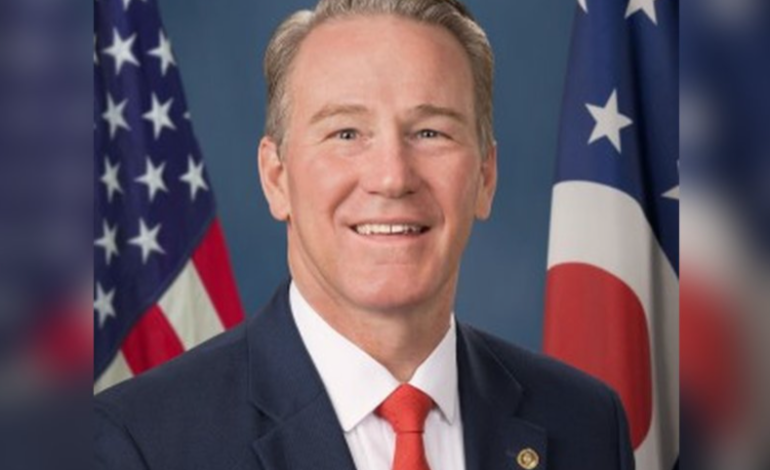
The proposed legislation, titled the Decreasing Russian Oil Profits (DROP) Act of 2025, was introduced by Republican Senator Jon Husted of Ohio along with Senators Dave McCormick of Pennsylvania, Elizabeth Warren of Massachusetts, and Christopher Coons of Delaware. The bill authorizes the US government to impose financial sanctions on foreign individuals, companies, and entities found to be directly or indirectly involved in buying Russian petroleum products.
Announcing the bill, Senator Husted said the measure sends a strong global signal that continued purchases of Russian oil will no longer be tolerated. He accused some nations of publicly condemning Russian President Vladimir Putin while quietly financing his war effort through energy trade. “There will be consequences for continuing to buy Russian oil,” Husted said, adding that Congress aims to end what he described as “hypocrisy” in the international response to the conflict.
Under the DROP Act, the US Treasury Department would be empowered to sanction foreign persons determined to be responsible for, complicit in, or knowingly facilitating the purchase of Russian oil and petroleum products. This includes entities owned or controlled by such purchasers, as well as intermediaries acting on their behalf. The sanctions could restrict access to the US financial system, a key point of leverage highlighted by the bill’s sponsors.
The legislation includes limited and narrowly defined exemptions. To avoid sanctions, countries would need to meet at least two of four conditions outlined in the bill. These include providing significant military or economic assistance to Ukraine, isolating funds generated from Russian oil sales for humanitarian purposes while demonstrably reducing purchases, depositing per-barrel payments into a special account designated for Ukraine’s benefit, or importing oil from specified Russian ports for a limited transitional period following enactment.
Senator McCormick emphasized that continued global demand for Russian oil undermines efforts to bring the war to an end. “Any nation or entity that buys Russian oil is actively funding Russia’s aggression in Ukraine,” he said, arguing that Putin has shown little interest in pursuing peace and that sustaining his war machine should come at a cost.
Senator Warren stressed the importance of financial enforcement, noting that access to the US banking system remains a powerful tool. She said the bill is designed to ensure that even indirect facilitators of Russian oil imports face serious consequences. “Anyone who helps move Russian oil risks losing access to the US financial system,” Warren said, adding that the United States must consistently raise the economic costs for Moscow.
Senator Coons framed the measure as both a strategic and moral imperative, accusing Russia of using oil profits to fund widespread human rights abuses in Ukraine. He said the bipartisan legislation aims to “cut off Putin’s lifelines” by targeting the true buyers sustaining Russia’s energy revenues.
Supporters of the bill pointed to data showing that despite existing sanctions, countries such as China, India, Turkey, and Iran remain among the largest buyers of Russian oil, sometimes using so-called “ghost fleets” to evade enforcement. The senators argued that stronger secondary sanctions are necessary to close loopholes and align international actions with stated opposition to the war.