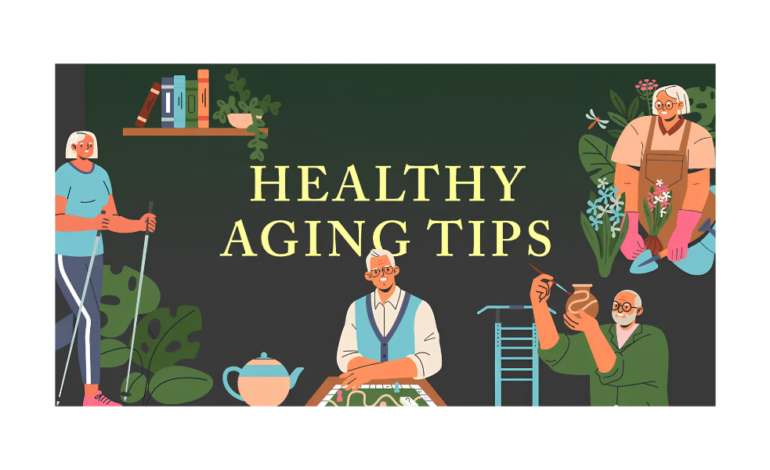
HEALTHY AGING, HEALTHY LIVING SERIES

By: Dr Avi Verma
Part 1 – Healthy Aging: It’s More Than Just Getting Older
Building healthy habits today for a stronger, more independent tomorrow
Growing older is a natural part of life, but aging and becoming unhealthy are not the same thing. We cannot stop the passage of time, but many factors that influence how we age are connected to our lifestyle, preventive care and daily choices. Healthy aging is not simply about living longer. It is about maintaining physical strength, mental well-being, independence and quality of life for as many years as possible.
The Centers for Disease Control and Prevention describes healthy aging as maintaining physical, mental and social health and well-being as we grow older. Importantly, healthy aging can begin at any age. (cdc.gov)
Aging Does Not Mean Losing Independence
One of the greatest concerns about growing older is losing the ability to care for ourselves. Maintaining muscle strength, balance, flexibility and cardiovascular fitness can help people continue everyday activities and remain independent.
Physical activity can support bone health, brain health, sleep, emotional well-being and overall physical function. Independence does not mean doing everything alone. It means having the ability and support to participate in the activities that give life meaning.
Movement Is Medicine
Regular physical activity is one of the foundations of healthy aging. Federal guidelines generally recommend that adults, including older adults, combine aerobic activity with muscle-strengthening and balance exercises.
For adults 65 and older, the general goal is at least 150 minutes of moderate-intensity aerobic activity each week, along with muscle-strengthening activities on at least two days and activities that improve balance. Individual needs vary, particularly for people with medical conditions. (cdc.gov)
Exercise does not have to mean going to a gym. Walking, swimming, gardening, dancing, cycling, resistance exercises and appropriate yoga or tai chi can all contribute to an active lifestyle.
If you have been inactive, start gradually and increase activity as appropriate.
Nutrition Matters
Healthy aging also begins at the dinner table. A balanced eating pattern should include vegetables, fruits, whole grains, beans, healthy sources of protein and healthy fats.
Limiting excess sodium, added sugars, highly processed foods and unhealthy fats can support long-term health. Maintaining adequate nutrition is particularly important with age because poor nutrition can contribute to weakness and loss of muscle mass.
For Indian-American families, healthy eating does not require abandoning traditional foods. Smaller portions, more vegetables and legumes, whole grains, appropriate protein and healthier cooking methods can make familiar meals part of a healthy lifestyle.
Sleep Is Part of Good Health
Sleep should not be treated as a luxury. Adequate sleep supports physical and mental health, while persistent sleep problems can affect overall well-being.
Adults generally need at least seven hours of sleep, although individual needs vary. (cdc.gov)
Persistent insomnia, loud snoring, pauses in breathing or excessive daytime sleepiness should not automatically be considered a normal part of aging. They may require medical evaluation.
Keep Your Brain Active
Healthy aging includes caring for the brain. Reading, learning new skills, pursuing hobbies, exercising, maintaining social connections and getting adequate sleep can support overall brain health.
Some forgetfulness may occur with normal aging. However, significant or progressive changes in memory, thinking, communication or the ability to manage everyday activities should be discussed with a healthcare professional.
Stay Connected
Healthy aging is also social. Family, friends, community organizations, religious groups, volunteering and hobbies can provide companionship and purpose.
Loneliness and social isolation can affect both mental and physical well-being. Staying connected becomes especially important after retirement, the loss of a spouse or major life changes.
Sometimes something as simple as a regular phone call, shared meal, community activity or walking group can make a meaningful difference.
Manage Chronic Conditions
Many adults enter later life with conditions such as high blood pressure, diabetes, arthritis or high cholesterol. Having a chronic condition does not mean healthy aging is impossible.
The goal is effective management—taking prescribed medicines correctly, following treatment plans, staying active within one’s abilities, eating well and keeping regular medical appointments.
Stopping smoking and avoiding excessive alcohol are also important components of long-term health.
Don’t Wait for Symptoms
Preventive care is an essential part of healthy aging. Regular healthcare visits provide opportunities to check blood pressure, review medications, update vaccinations and complete recommended screening tests.
Family medical history also matters. A history of diabetes, heart disease, certain cancers, osteoporosis or other conditions may influence individual risk.
Preventive care should be personalized because screening recommendations vary according to age, sex, family history and individual health circumstances.
The Goal: A Better Life, Not Just a Longer Life
Healthy aging is not about avoiding every disease or trying to remain young forever. It is about maximizing the years in which we can remain active, engaged and independent.
Small decisions—walking regularly, eating nutritious food, sleeping well, maintaining friendships, managing chronic conditions and keeping up with preventive care—can contribute to healthier aging.
The bottom line: We cannot control our age, but we can influence many factors that affect how we experience it. The goal is not simply to add years to life, but to help those years remain active, meaningful, independent and healthy for as long as possible.
Medical Disclaimer: This article is intended for general educational and informational purposes only. It is not a substitute for professional medical advice, diagnosis or treatment. Readers should consult their physician or other qualified healthcare professional regarding any medical condition, symptoms, medications, exercise program, dietary changes or screening recommendations. In case of a medical emergency, seek immediate medical attention.