Healthy Heart, Healthy Life: Part 4 – Heart rhythm disorders: When the heart’s electrical system goes off track

By Dr. Avi Verma
Understanding Arrhythmias, Atrial Fibrillation, and Modern Treatments That Protect Your Heart
Introduction
In the first article of the Healthy Heart, Healthy Life series, we explored how the heart functions as the body’s life-sustaining pump. In Part 2, we discussed Coronary Artery Disease (CAD), the leading cause of heart attacks, and how healthy lifestyle choices can reduce cardiovascular risk. In Part 3, we focused on high blood pressure (hypertension)—the “Silent Killer”—and how uncontrolled blood pressure can quietly damage the heart, brain, kidneys, eyes, and blood vessels.
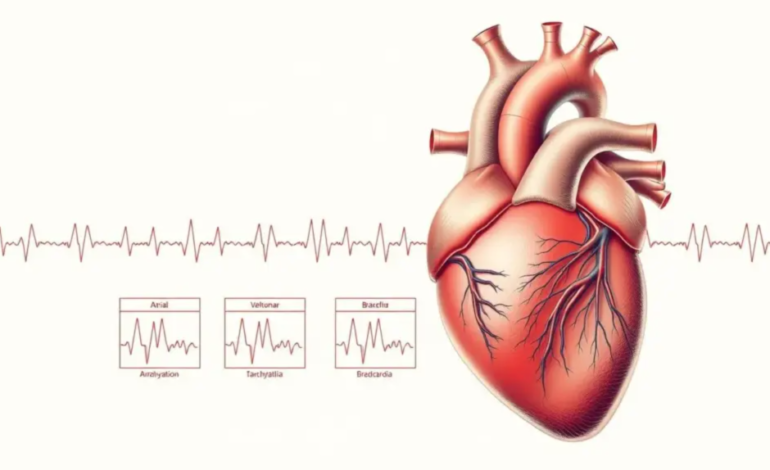
In this fourth installment, we examine another important aspect of heart health—the heart’s electrical system. While many people associate heart disease only with blocked arteries, the heart also depends on a precise electrical network that controls every heartbeat. When this system becomes disrupted, it can lead to arrhythmias, or abnormal heart rhythms. Some arrhythmias are harmless, but others can increase the risk of stroke, heart failure, or sudden cardiac arrest.
Understanding heart rhythm disorders and recognizing warning signs early can help protect your heart and improve outcomes.
Understanding Arrhythmias: The Heart’s Electrical Problem
A healthy heart does not beat randomly. Each heartbeat is controlled by electrical signals that coordinate the movement of the heart’s chambers.
The process begins in the sinoatrial (SA) node, located in the right atrium, which acts as the heart’s natural pacemaker. The electrical impulse travels through the upper chambers (atria), causing them to contract and push blood into the ventricles. The signal then passes through the atrioventricular (AV) node before reaching the lower chambers, allowing the ventricles to pump blood efficiently throughout the body.
This coordinated rhythm is called normal sinus rhythm. A normal resting adult heart rate is generally between 60 and 100 beats per minute.
Palpitations: A Common Warning Sign
Many people experience palpitations, a sensation that the heart is fluttering, racing, pounding, or skipping beats. Occasional palpitations may occur due to stress, caffeine, exercise, or dehydration. However, frequent episodes—especially when accompanied by chest pain, dizziness, shortness of breath, or fainting—should be evaluated by a healthcare professional.
Common Types of Arrhythmias
Tachycardia: When the Heart Beats Too Fast
Tachycardia refers to a resting heart rate above 100 beats per minute.
Supraventricular Tachycardia (SVT) begins in the upper chambers of the heart. It may cause sudden episodes of rapid heartbeat but is often treatable.
Ventricular Tachycardia (VT) originates in the ventricles, the heart’s main pumping chambers. Because the ventricles cannot pump blood effectively at extremely high speeds, VT can become life-threatening and may lead to sudden cardiac arrest.
Bradycardia: When the Heart Beats Too Slowly
Bradycardia occurs when the heart rate drops below 60 beats per minute.
A slow heartbeat can be normal in well-trained athletes because their hearts pump blood efficiently. However, abnormal bradycardia may occur when the SA node does not function properly or when electrical pathways are damaged.
Symptoms may include fatigue, weakness, dizziness, and fainting. When significant, bradycardia may require treatment with a pacemaker.
Heart Block: A Breakdown in Electrical Communication
Heart block occurs when electrical signals traveling from the atria to the ventricles are delayed or interrupted.
- First-degree heart block: Signals move slower than normal but still reach the ventricles. It often causes no symptoms.
- Second-degree heart block: Some electrical signals fail to reach the ventricles, causing skipped beats.
- Third-degree (complete) heart block: No signals pass from the atria to the ventricles. This is a serious condition that often requires immediate medical treatment and may need a pacemaker.
Atrial Fibrillation (AFib): The Stroke Connection
Atrial Fibrillation (AFib) is the most common sustained heart rhythm disorder.
In AFib, the electrical signals in the atria become chaotic, causing the upper chambers to quiver instead of contracting normally. This results in an irregular heartbeat and can affect the heart’s ability to pump efficiently.
The greatest concern with AFib is the increased risk of stroke. Because the atria do not contract properly, blood can pool inside the heart, especially in a small pouch called the left atrial appendage. This stagnant blood can form clots. If a clot travels to the brain, it can block blood flow and cause an ischemic stroke.
Treatment to reduce stroke risk may include anticoagulant medications (blood thinners) such as warfarin or newer Direct Oral Anticoagulants (DOACs). For some patients who cannot safely take blood thinners, procedures to close the left atrial appendage may be considered.
Advanced Treatments: Pacemakers and ICDs
When medications and lifestyle changes are not enough, cardiologists may use implantable devices to regulate heart rhythm.
Pacemakers
A pacemaker is a small battery-powered device placed under the skin of the chest. It monitors the heart and sends electrical impulses when the heartbeat becomes too slow or pauses.
Pacemakers are commonly used for symptomatic bradycardia and advanced heart block, helping maintain a safe and regular heartbeat.
Implantable Cardioverter Defibrillators (ICD)
An ICD provides protection against dangerous fast rhythms. In addition to functioning like a pacemaker, it continuously monitors for life-threatening rhythms such as ventricular tachycardia and ventricular fibrillation.
If a dangerous rhythm occurs, the ICD delivers an electrical shock to restore a normal heartbeat and prevent sudden cardiac death.
Protecting Your Heart’s Rhythm
While not all arrhythmias can be prevented, maintaining overall heart health can lower risk. Important steps include:
- Controlling blood pressure, cholesterol, and diabetes
- Maintaining a healthy weight
- Exercising regularly
- Avoiding tobacco
- Limiting excessive alcohol and caffeine
- Managing stress
- Getting regular medical checkups
The heart is not only a powerful pump—it is also a sophisticated electrical system. Recognizing abnormal rhythms early and receiving appropriate treatment can prevent complications and help protect your heart for years to come.
Disclaimer
The information presented in this Healthy Heart, Healthy Life series is intended solely for educational and public awareness purposes. It is not intended to replace professional medical advice, diagnosis, or treatment, nor should it be considered a medical consultation. Readers should consult their physician or another qualified healthcare professional regarding any questions or concerns about their heart health or before making decisions related to their medical care.