HEALTHY AGING, HEALTHY LIVING SERIES

Part 5 – Kidney Health: The Silent Organ We Often Forget
Understanding Kidney Function, Recognizing Risk Factors and Protecting Your Kidneys as You Age
By Dr. Avi Verma
What if your kidneys were losing their ability to function properly without producing noticeable symptoms? Millions of adults live with chronic kidney disease (CKD), often without knowing it until significant damage has occurred. The kidneys filter waste, regulate blood pressure, balance minerals and support red blood cell production. Yet their importance is frequently overlooked. In our previous installments of Healthy Aging, Healthy Living, we explored brain health, strong bones and fall prevention, and diabetes and prediabetes. This week, we examine kidney health, the risks of kidney disease and practical steps to protect these vital organs as we age.
Understanding Kidney Function
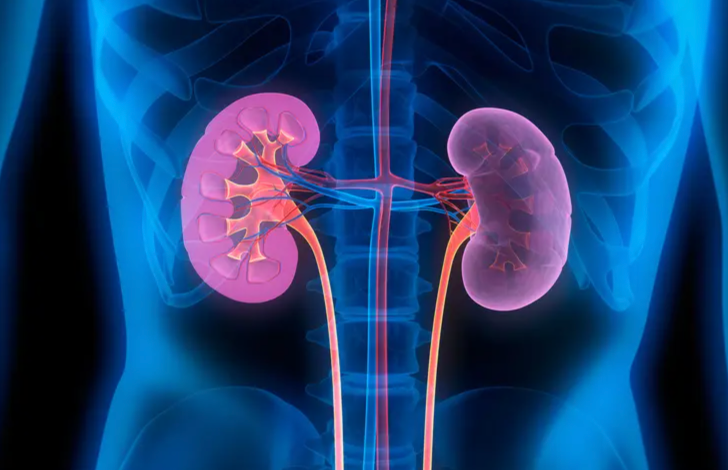
The kidneys are two bean-shaped organs located below the rib cage on either side of the spine. They filter waste and excess fluid from the blood, regulate blood pressure, maintain electrolyte balance and help keep bones healthy. They also produce hormones that support red blood cell production.
When kidney function declines, waste and excess fluid can accumulate, potentially leading to anemia, weakened bones, cardiovascular complications and, in advanced cases, kidney failure requiring dialysis or transplantation.
Who Is at Risk?
Anyone can develop kidney disease, but certain factors increase the risk:
- Diabetes: High blood sugar damages the kidneys’ filtering blood vessels.
- High blood pressure: Excess pressure damages kidney blood vessels.
- Heart disease: Cardiovascular and kidney problems often occur together.
- Family history: Inherited factors can increase susceptibility.
- Older age and obesity: Both are associated with increased kidney disease risk.
- Certain medications: Frequent or prolonged use of pain relievers such as ibuprofen and naproxen can harm kidney function, especially in older adults, people who are dehydrated and those with existing kidney disease.
A history of kidney stones, recurrent urinary problems or certain inherited conditions may also increase risk.
The Connection Between Diabetes, Blood Pressure and Kidney Disease
Diabetes and high blood pressure are two leading causes of chronic kidney disease.
Persistently elevated blood sugar damages the tiny blood vessels that filter waste. As a result, albumin, a protein normally retained in the blood, may leak into the urine.
High blood pressure also damages kidney blood vessels, reducing their ability to filter blood. Damaged kidneys may retain salt and fluid, further increasing blood pressure and creating a harmful cycle.
Controlling blood sugar and blood pressure protects both your kidneys and your heart.
The Five Stages of Kidney Disease
Healthcare professionals assess kidney function using the estimated glomerular filtration rate (eGFR), calculated from a blood test, along with urine tests and other clinical findings.
- Stage 1: eGFR of 90 or higher, with evidence of kidney damage.
- Stage 2: eGFR of 60–89, with evidence of kidney damage.
- Stage 3: eGFR of 30–59, indicating moderately reduced function.
- Stage 4: eGFR of 15–29, indicating severely reduced function.
- Stage 5: eGFR below 15, indicating kidney failure.
An eGFR of 60 or higher alone does not establish kidney disease. For stages 1 and 2, evidence of kidney damage is necessary. Abnormalities generally must persist for at least three months to qualify as chronic kidney disease.
Warning Signs: Often Absent in Early Stages
Kidney disease frequently develops without obvious symptoms. As it progresses, possible warning signs include:
- Persistent fatigue or weakness.
- Swelling in the feet, ankles or around the eyes.
- Foamy urine or blood in the urine.
- Changes in urination, particularly increased nighttime urination.
- Nausea, reduced appetite or difficulty concentrating.
- Muscle cramps, itching or shortness of breath in advanced disease.
These symptoms can have other causes, and their absence does not rule out kidney disease. Persistent blood in the urine or unexplained swelling warrants medical evaluation.
Screening and Early Detection
Two tests are particularly important for detecting kidney disease:
1. Blood test (eGFR): Estimates how effectively the kidneys filter waste using the blood creatinine level and other factors.
2. Urine albumin-to-creatinine ratio (uACR): Detects albumin leaking into the urine, which may signal early kidney damage even when eGFR is normal.
Screening is especially important for people with diabetes, high blood pressure, cardiovascular disease or a family history of kidney disease. Ask your healthcare provider how frequently you need testing. Abnormal results may require repeat testing and further evaluation.
Practical Steps to Protect Kidney Health
1. Control blood pressure and blood sugar. Follow your treatment plan and monitor your numbers as recommended.
2. Eat a balanced diet. Choose vegetables, fruits, whole grains and minimally processed foods. Limit excessive sodium. People with kidney disease may need individualized guidance about potassium, phosphorus and protein.
3. Stay appropriately hydrated. Fluid needs vary. People with advanced kidney disease or heart failure may require fluid restrictions.
4. Use medications carefully. Avoid frequent or prolonged NSAID use without medical guidance. Discuss prescription drugs, over-the-counter medicines and supplements with your healthcare provider.
5. Exercise and maintain a healthy weight. Regular physical activity supports metabolic health and blood pressure control.
6. Avoid smoking and limit alcohol. These measures support cardiovascular and overall health.
7. Seek care for urinary problems. Persistent symptoms, recurrent infections and suspected kidney stones require appropriate evaluation.
If you have kidney disease, consult your healthcare provider before making major dietary changes or altering prescribed medications.
Key Takeaway
Kidney disease can progress silently, but early detection and appropriate treatment may slow its progression and help preserve kidney function. Controlling diabetes and blood pressure, maintaining healthy habits, using medications responsibly and obtaining recommended blood and urine tests are important steps toward healthier aging.
Do not wait for symptoms to take your kidney health seriously.
Next Week: Part 6 – Your Liver and Your Health: Fatty Liver, Alcohol and Metabolic Health
Next week, Healthy Aging, Healthy Living will explore fatty liver disease, its connection to obesity and diabetes, the effects of alcohol and medications, and when liver blood tests or further evaluation may be necessary. We will also discuss practical ways to protect liver health as we age.
Medical Disclaimer
This article is for general educational purposes only and is not a substitute for professional medical advice, diagnosis or treatment. Screening, dietary changes, hydration and medication decisions should be tailored to individual needs. Consult a qualified healthcare professional about your risk factors, symptoms or test results. Do not start, stop or change medication without medical guidance. Seek prompt medical attention for concerning symptoms and emergency care for a medical emergency.