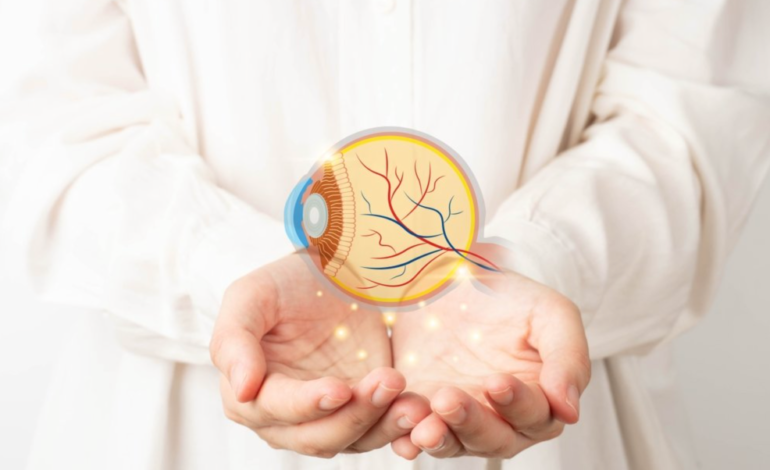
Protect your vision, protect your life: Part 2

By: Dr. Avi Verma
The eyes are among the most precious gifts of human life. Through them, we experience the beauty of the world, recognize loved ones, and maintain our independence. Yet millions of people silently suffer from progressive eye diseases that develop without pain or early warning signs. Regular comprehensive eye examinations remain your best defense against avoidable blindness. [1, 2, 3, 4, 5]
In this second article of our series, we focus on serious vision-threatening eye diseases affecting the optic nerve and retina that require prompt diagnosis and treatment.
👁️ Glaucoma
Often called the “silent thief of sight,” glaucoma damages the eye’s optic nerve, usually due to abnormally high pressure within the eye. [1, 2, 3, 4]
- Symptoms: Early stages typically have no symptoms. Progresses to a gradual loss of peripheral (side) vision and eventual tunnel vision. Acute attacks (angle-closure) cause sudden, severe eye pain, headaches, and blurred vision. [1, 2, 3, 4]
- Risks: Age over 40-60, family history, high intraocular pressure, diabetes, and African or Hispanic descent. [1, 2, 3, 4, 5]
- Diagnosis: Diagnosed via a comprehensive exam including tonometry (eye pressure), ophthalmoscopy (optic nerve check), and Optical Coherence Tomography (OCT). [1, 2, 3, 4, 5]
- Severity: High. Vision loss is permanent and irreversible. Early detection is paramount. [1, 2, 3]
- Treatment Options: Progression can be halted with prescription eye drops, oral medications, laser treatments, or surgery to lower eye pressure. [1, 2, 3, 4, 5]
🩸 Diabetic Retinopathy
Diabetic retinopathy occurs when high blood sugar levels damage the blood vessels in the retina, leading to swelling, leakage, or the growth of abnormal new vessels. [1, 2]
- Symptoms: Early stages typically feature no noticeable symptoms. Later stages cause blurred vision, floating spots, and sudden, severe vision loss.
- Risks: Long duration of diabetes, poor blood sugar management, high blood pressure, high cholesterol, and smoking. [1]
- Diagnosis: Detected through dilated eye exams, OCT scans, and fluorescein angiography to map leaking vessels. [1]
- Severity: High. Can lead to irreversible legal blindness if left unmanaged.
- Treatment Options: Mild cases require strict glycemic control. Advanced stages require intravitreal eye injections (anti-VEGF), protective laser therapy, or vitrectomy surgery. [1, 2, 3]
🔬 Macular Degeneration (AMD)
Age-related Macular Degeneration (AMD) affects the macula—the central, most sensitive part of the retina—resulting in the loss of central, detailed vision. [1, 2]
- Symptoms: Blurry or distorted central vision, straight lines looking wavy, and difficulty recognizing faces or reading text.
- Risks: Age over 50, smoking, genetic predisposition, and being Caucasian.
- Diagnosis: Diagnosed using a dilated eye exam, visual field tests, and structural OCT scans to check for fluid or cellular deposits (drusen).
- Severity: Varies. Dry AMD progresses slowly but has no cure. Wet AMD is less common but highly severe, causing rapid, abrupt central vision loss.
- Treatment Options: Dry AMD can be slowed with high-dose antioxidant vitamins (AREDS2 formulas). Wet AMD is actively treated with anti-VEGF eye injections to stop blood vessel leakage. [1, 2, 3, 4, 5]
👁️ Retinal Detachment
Retinal detachment is a critical medical emergency where the thin, light-sensitive retina pulls away from its underlying support tissue and vital blood supply. [1]
- Symptoms: A sudden increase in floaters, frequent flashes of light, or a dark curtain-like shadow descending over the field of vision.
- Risks: Advanced age, severe nearsightedness (myopia), direct eye trauma, or previous cataract surgery.
- Diagnosis: Identified during an urgent dilated eye exam or using an ocular ultrasound to inspect the retinal wall.
- Severity: Extremely high. Can lead to permanent, total blindness within days without immediate treatment.
- Treatment Options: Requires prompt emergency surgery or laser treatment to reattach the retina via pneumatic retinopexy, scleral buckling, or a vitrectomy. [1, 2, 3, 4, 5]
🩸 Retinal Vein Occlusion (RVO)
Retinal vein occlusion happens when a blood clot blocks a vein carrying blood away from the retina, causing blood and fluid to back up. [1]
- Symptoms: Blurry vision or a painless loss of vision in one eye, which often develops suddenly or over a few hours.
- Risks: High blood pressure, high cholesterol, diabetes, smoking, and preexisting glaucoma.
- Diagnosis: Diagnosed using a dilated eye exam, OCT to locate fluid swelling, and fluorescein angiography to track blood flow.
- Severity: Moderate to high. Can trigger severe complications like macular edema or neovascular glaucoma.
- Treatment Options: Focuses on managing fluid and complications through intravitreal eye injections (anti-VEGF or steroids) and targeted laser therapy. [1, 2, 3, 4, 5]
🧬 Retinitis Pigmentosa (RP)
Retinitis pigmentosa is a large group of rare, inherited genetic eye disorders that trigger the progressive breakdown and loss of photoreceptor cells (rods and cones) in the retina. [1]
- Symptoms: Difficulty seeing in low light (night blindness) is usually the first sign, followed by a slow loss of peripheral vision, resulting in tunnel vision.
- Risks: Handed down through families; driven entirely by genetic mutations.
- Diagnosis: Confirmed through visual field tests, an electroretinogram (ERG) to measure retinal electrical activity, and genetic testing.
- Severity: Chronic and progressive. Most individuals develop severe low vision or legal blindness by early adulthood to middle age.
- Treatment Options: There is no cure. Focuses heavily on low-vision aids and mobility training. Luxturna gene therapy is available for specific RPE65 genetic mutations. [1, 2, 3, 4]
In the Next Issue
Our next installment will address Cornea & Surface Disorders, detailing:
- Cornea Care and Protection
- Keratoconus: Symptoms & Care
- Corneal Ulcers and Infections
- Cornea Transplant
- Corneal Endothelial Transplant
- Fuchs’ Dystrophy: Symptoms & Treatment
- Blepharitis
Disclaimer
This article is intended for educational and awareness purposes only and should not be considered medical advice, diagnosis, or treatment. Readers experiencing eye symptoms or vision problems should consult a qualified ophthalmologist or healthcare professional immediately. Early diagnosis and treatment are essential to protecting eyesight.