HEALTHY HEART, HEALTHY LIFE SERIES

Navigating valvular and congenital heart disease
Understanding structural heart problems, warning signs and modern treatments
By: Dr. Avi Verma
In the first article of this series, we explored how the heart functions as the body’s life-sustaining pump. Part 2 examined coronary artery disease (CAD), followed by Part 3 on high blood pressure—the “Silent Killer.” Part 4 explored heart rhythm disorders, including atrial fibrillation and modern treatment options. Part 5 focused on congestive heart failure, while Part 6 examined how cholesterol, diabetes, obesity, fatty liver disease and metabolic syndrome can silently increase cardiovascular risk. In this seventh installment, we turn from the heart’s electrical and metabolic systems to its physical structure—the valves, chambers and blood vessels. We will examine valvular and congenital heart disease, their warning signs, prevention and the remarkable advances that now allow doctors to repair or replace damaged heart valves with increasingly less-invasive procedures.
The heart’s valves: Small structures with a vital job
Think of the heart as a sophisticated pump with four doors. These four valves—the aortic, mitral, tricuspid and pulmonary valves—open and close with every heartbeat, ensuring that blood flows in the correct direction.
When a valve becomes narrowed, stiff, or unable to close properly, the heart may have to work harder. Over time, this additional strain can lead to enlargement of the heart, heart failure or other complications.
Common valvular heart conditions
- Aortic stenosis: The aortic valve becomes narrowed, restricting blood flow from the heart to the body. It is particularly common with aging and may progressively worsen.
- Mitral regurgitation: The mitral valve does not close completely, allowing blood to leak backward into the upper chamber of the heart.
- Mitral valve prolapse: One or both mitral valve leaflets bulge backward during the heartbeat. Many people have few or no symptoms, although some develop significant leakage.
- Rheumatic heart disease: Rheumatic fever, which can follow an untreated or inadequately treated group A streptococcal infection, can permanently damage heart valves. It remains an important cause of valve disease in many parts of the world.
Congenital heart disease: When the problem begins at birth
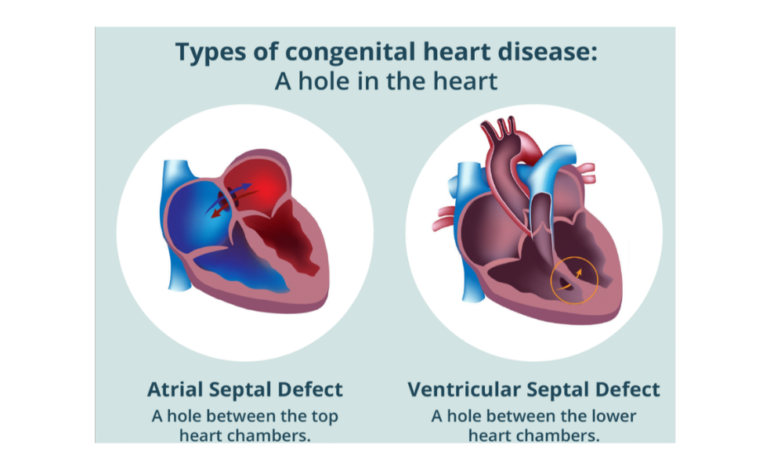
Congenital heart disease refers to structural abnormalities of the heart that develop before birth. These may involve the heart chambers, valves or major blood vessels.
Some defects are minor and require only periodic monitoring, while others can significantly affect circulation and require medication, catheter-based procedures or surgery.
Importantly, congenital heart disease is not limited to childhood. Many children with congenital defects now survive into adulthood, creating a growing population of adults who require lifelong cardiac follow-up.
What about a heart murmur?
A heart murmur is an unusual sound heard through a stethoscope, caused by turbulent blood flow. A murmur does not automatically mean that heart disease is present. Some are harmless, while others may indicate a valve problem or congenital defect.
When a murmur is accompanied by symptoms, physicians may recommend an echocardiogram, an ultrasound examination that provides detailed information about the heart’s structure and function.
Warning signs: When should you seek medical attention?
Structural heart disease can remain silent for years. As the condition progresses, however, certain symptoms deserve attention:
- Shortness of breath, particularly during activity or when lying down.
- Chest pain or pressure, especially with exertion.
- Unusual fatigue or reduced ability to perform routine activities.
- Dizziness or fainting, particularly during physical activity.
- Swelling of the ankles, legs or abdomen, which may indicate fluid accumulation.
- Palpitations or an awareness of an irregular heartbeat.
Sudden severe chest pain, difficulty breathing, fainting or other acute symptoms require immediate medical evaluation.
Can structural heart disease be pevented?
Not every valve or congenital problem can be prevented. Congenital heart defects, by definition, originate before birth. However, several measures can reduce the risk of complications and help identify disease early.
Treat significant infections appropriately: Group A streptococcal infections should be evaluated and treated according to medical guidance to reduce the risk of rheumatic fever.
Control blood pressure and other cardiovascular risks: Managing hypertension, diabetes, cholesterol and weight can reduce the overall burden placed on the cardiovascular system.
Maintain good dental health: Good oral hygiene is important for overall health. People with certain high-risk heart conditions may require antibiotics before specific dental procedures to prevent infective endocarditis; this should be determined by their physician.
Do not ignore symptoms: Routine physical examinations can sometimes detect an abnormal murmur or other warning signs before symptoms become severe.
Modern treatments: Repairing the heart without always opening the chest
Treatment depends on the type and severity of the condition.
Valve repair: Whenever appropriate, surgeons may repair a damaged valve rather than replace it, preserving the patient’s own tissue.
Valve replacement: Severely damaged valves can be replaced with mechanical or biological tissue valves. The choice depends on factors such as age, medical condition and individual circumstances.
TAVR: Transcatheter Aortic Valve Replacement has transformed treatment for many patients with severe aortic stenosis. A replacement valve can be delivered through a catheter—often through an artery in the leg—without conventional open-heart surgery. TAVR is not appropriate for everyone, and the best approach is determined by a specialized heart team.
Other catheter-based procedures are also increasingly available for selected structural heart conditions.
Conclusion: Protecting the heart’s architecture
The heart is more than a powerful muscle—it is a remarkably coordinated structure in which every chamber, valve and blood vessel has a purpose. Valvular and congenital heart diseases can disrupt this delicate system, but early diagnosis can make a profound difference.
Pay attention to unexplained breathlessness, fatigue, dizziness, swelling or chest discomfort. Regular medical examinations, appropriate testing and timely specialist care can identify structural problems before they become life-threatening.
Modern cardiology has transformed the outlook for many patients. From sophisticated valve repair to minimally invasive procedures such as TAVR, today’s treatments can restore circulation, improve symptoms and, in many cases, significantly enhance quality of life.
Understanding your heart’s structure is another important step toward protecting your heart—and living a healthier life.
Disclaimer
The information presented in this Healthy Heart, Healthy Life series is intended solely for educational and public awareness purposes. It is not intended to replace professional medical advice, diagnosis, or treatment, nor should it be considered a medical consultation. Readers should consult their physician or another qualified healthcare professional regarding any questions or concerns about their heart health or before making decisions related to their medical care.