India’s cybercrime shame: How fake call centers are tarnishing a global reputation

By: Dr Avi Verma
The latest cybercrime raid in Panchkula is not just another police story. It is another warning sign of a growing moral and reputational crisis confronting India’s global image.
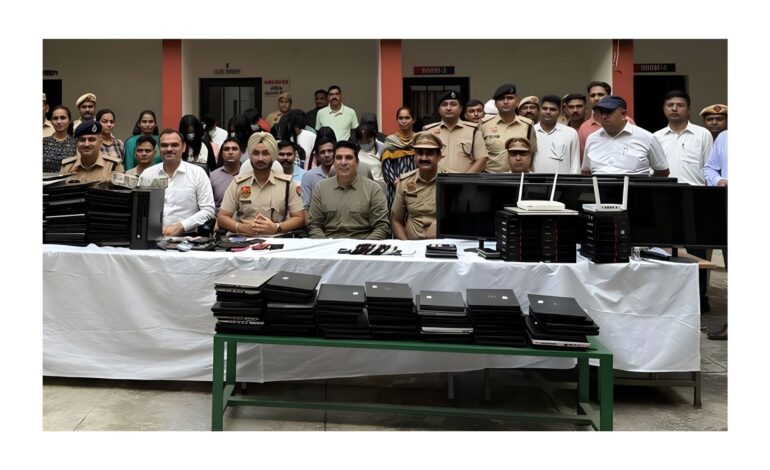
According to investigators, a fake call center allegedly operating from Panchkula targeted American citizens by impersonating Amazon customer support representatives and stealing sensitive banking information. Computers, cash, communication equipment, and multiple suspects were reportedly recovered during the raid. Sadly, this is no longer shocking news. Similar raids have become increasingly common across North India, especially in the Chandigarh-Mohali-Panchkula technology corridor.
What should disturb every Indian — both in India and abroad — is not merely the crime itself, but the normalization of such crimes among educated youth.
India earned worldwide respect over the past three decades through hard work, engineering excellence, and technological innovation. Indian doctors, engineers, software professionals, entrepreneurs, and researchers built a reputation for intelligence, discipline, and reliability. Silicon Valley, Wall Street, global hospitals, universities, and Fortune 500 companies are filled with successful Indian-origin professionals who became symbols of merit and achievement.
Yet alongside this success story, a darker parallel economy has emerged.
Fake call centers, online scam factories, phishing operations, cryptocurrency frauds, and impersonation rackets are increasingly recruiting educated, English-speaking young Indians to prey upon elderly Americans, immigrants, and vulnerable consumers abroad. These are not crimes born out of poverty alone. Many involved are technologically skilled individuals seeking fast money with little regard for ethics or consequences.
The damage goes far beyond stolen dollars.
Every international cyber fraud story linked to India weakens the credibility of honest Indians living and working overseas. Every fake “Amazon support” call from India makes an American citizen more suspicious of Indian accents, Indian customer service agents, and Indian technology professionals. It creates stereotypes that millions of law-abiding Indians abroad must quietly battle every day.
Indian-Americans today occupy positions of immense trust and influence in American society — from CEOs and scientists to elected officials and physicians. But reputations built over decades can be damaged by repeated headlines connecting India to organized digital fraud.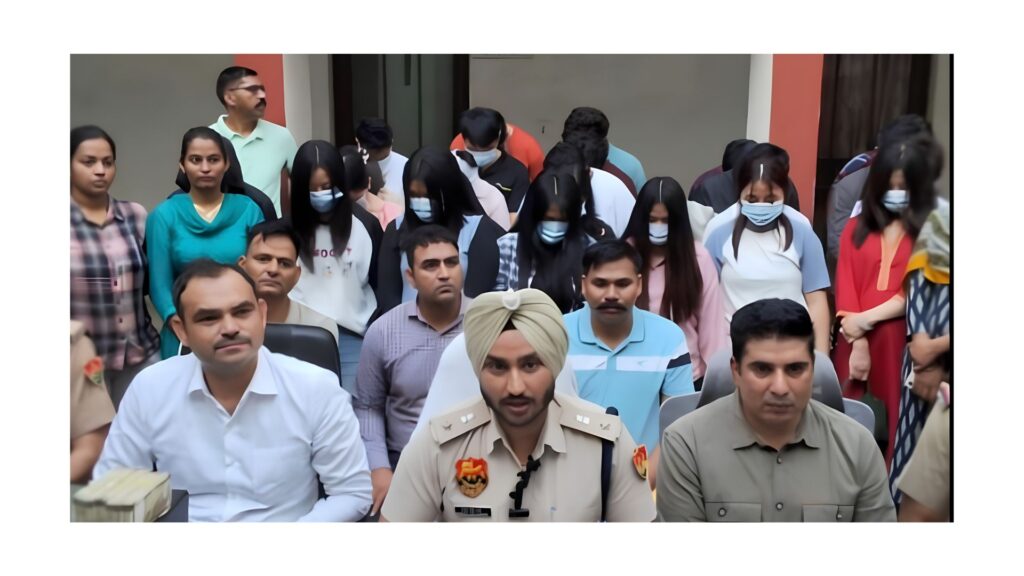
This should concern policymakers in New Delhi as much as local police in Haryana.
India cannot aspire to become a trusted global digital superpower while simultaneously becoming associated with global scam networks. The contradiction is dangerous.
Part of the problem lies in society’s growing glorification of wealth without questioning its source. Luxury lifestyles on social media, easy-money culture, online gambling, influencer excess, and declining ethical accountability have created an environment where fraud is often viewed as “smartness” rather than criminality.
Many of these fake call center operators function openly from commercial office spaces with sophisticated infrastructure, night shifts aligned with American time zones, and organized management structures. Such operations rarely survive without broader local networks, financial channels, and silent enablers.
Law enforcement agencies deserve credit for intensifying crackdowns. Haryana’s cybercrime units and other agencies across India have conducted major raids and arrests over the past year. But policing alone cannot solve the problem.
India needs a larger moral conversation.
Educational institutions must emphasize ethics alongside technical skills. Families must stop measuring success solely by income and material display. Society must stop celebrating shortcuts to wealth. And governments must strengthen cybercrime prosecution, international cooperation, and digital financial monitoring.
The world respects India for its talent. It would be tragic if a generation of cybercriminals undermines the goodwill earned by millions of honest Indians across the globe.
India gave the world software engineers, innovators, and entrepreneurs. It must not become known for exporting scams.