Ceasefire with Iran not over despite clashes, says US defense chief

The United States has said its ceasefire with Iran remains in place despite fresh military exchanges in the Gulf, as tensions continue to escalate around the strategic Strait of Hormuz.
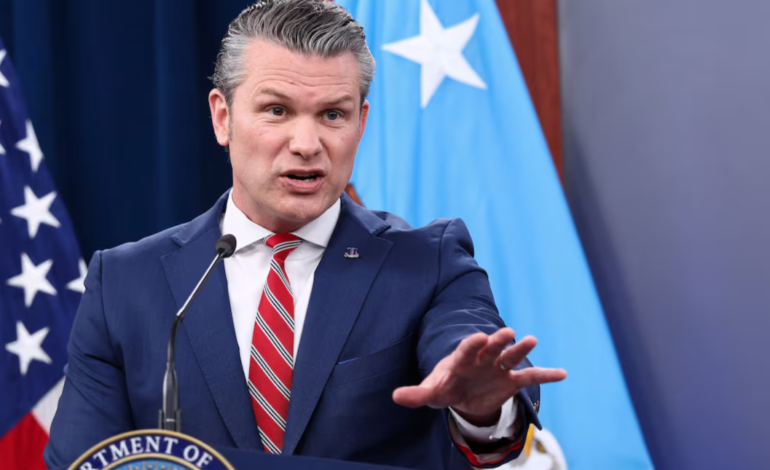
US Defense Secretary Pete Hegseth stated that the truce is “not over,” even after both sides engaged in limited confrontations during ongoing naval operations. He emphasized that Washington would continue to defend its interests aggressively while monitoring the situation closely.
The US Navy has launched a major effort to escort commercial vessels through the Strait under “Project Freedom,” aimed at breaking what officials describe as Iran’s chokehold on the waterway. According to US military officials, several Iranian boats, drones, and missiles have been neutralized during these operations.
General Dan Caine noted that Iran has carried out multiple attacks on commercial vessels and US forces since the ceasefire was announced on April 7. However, he said these actions remain “below the threshold” required to restart full-scale military operations.
The standoff has severely disrupted global shipping. US estimates suggest that more than 22,000 mariners aboard over 1,500 vessels remain stranded in the Gulf, awaiting safe passage. While the US claims it has successfully opened a corridor for transit, Iran has denied that any ships have crossed under American protection.
The situation has also led to reports of explosions and fires aboard merchant vessels, raising concerns about maritime safety and energy supply chains.
US President Donald Trump has framed the operations as necessary to restore global trade flows and pressure Iran into a broader agreement. Meanwhile, Tehran maintains that there is no military solution and has vowed to resist external pressure.
The unfolding crisis highlights the fragile nature of the ceasefire and its potential impact on global energy markets.