Iran warns of ‘dangerous consequences’ over US actions in Persian Gulf and Hormuz Strait

Iran has warned of “dangerous consequences” from recent United States actions targeting the Persian Gulf and the strategic Strait of Hormuz, signaling rising tensions in an already volatile region.
Iranian Foreign Minister Abbas Araghchi issued the warning during a phone conversation with Chinese Foreign Minister Wang Yi, cautioning that Washington’s moves—including what it describes as a “naval blockade”—could further destabilize the region.
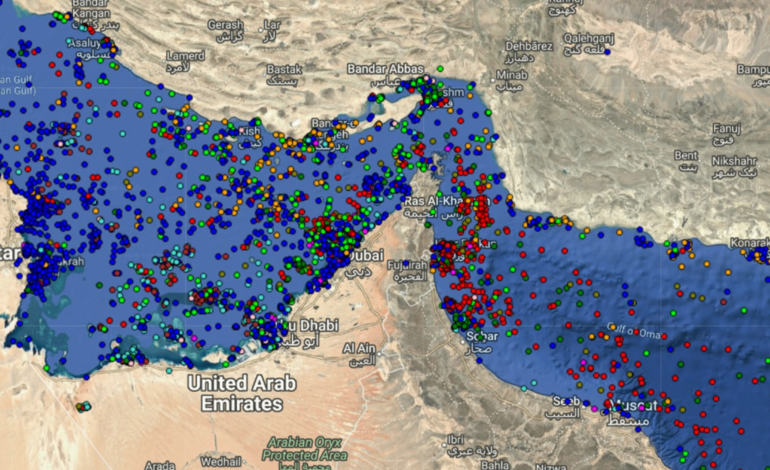
Araghchi said US efforts to restrict shipping routes and impose pressure on Iran would complicate the security environment and risk broader escalation. The Strait of Hormuz, through which a significant portion of the world’s oil supply passes, remains at the center of the dispute, making any disruption a matter of global concern.
The warning comes after recent ceasefire discussions between Iran and the United States in Islamabad failed to produce a breakthrough. While US President Donald Trump had described Iran’s earlier proposals as a potential basis for negotiations, Tehran has since accused Washington of making “excessive demands” that derailed the talks.
Iranian officials have maintained that any meaningful agreement must include a complete cessation of hostilities and guarantees against further aggression. Tehran has also linked broader de-escalation to developments in the wider region, including ongoing tensions involving its allies.
During the conversation, Araghchi also expressed appreciation for support from China and Russia, which recently vetoed a United Nations Security Council resolution calling for Iran to reopen the Strait of Hormuz. Tehran views the veto as a move that helped prevent further escalation and countered what it described as a one-sided initiative.
For his part, Wang Yi reiterated China’s position in favor of diplomacy and dialogue, emphasizing Beijing’s willingness to play a constructive role in easing tensions. He also praised Iran’s resilience amid mounting external pressure.
The situation remains fragile, with military, economic, and diplomatic pressures converging in one of the world’s most critical energy corridors. Analysts warn that any miscalculation in the region could have far-reaching consequences, not only for regional stability but also for global energy markets and trade flows.
As tensions persist, calls for renewed diplomatic engagement continue, though prospects for a breakthrough remain uncertain amid deep divisions between the key stakeholders.