Iran strikes defiant tone as ceasefire nears end, warns of escalation in U.S. standoff

Iran has adopted a defiant stance as the fragile ceasefire with the United States approaches its expiration, raising fresh concerns about a possible escalation in an already volatile regional conflict. With diplomatic efforts showing little progress, tensions are once again centering on the strategically critical Strait of Hormuz, a vital artery for global oil shipments.
Tehran has made it clear that it will not negotiate under pressure, pushing back against Washington’s demands and ongoing military posture in the region. Iranian officials have emphasized that any future engagement must be based on mutual respect and the removal of coercive measures, including the U.S. naval blockade targeting Iranian ports and shipping routes.
On the other side, the administration of Donald Trump has maintained a firm position, insisting that Iran must comply with key conditions, including curbs on its nuclear program and assurances on maritime security. Washington has continued to apply a combination of economic sanctions and military pressure, arguing that such measures are necessary to force meaningful concessions from Tehran.
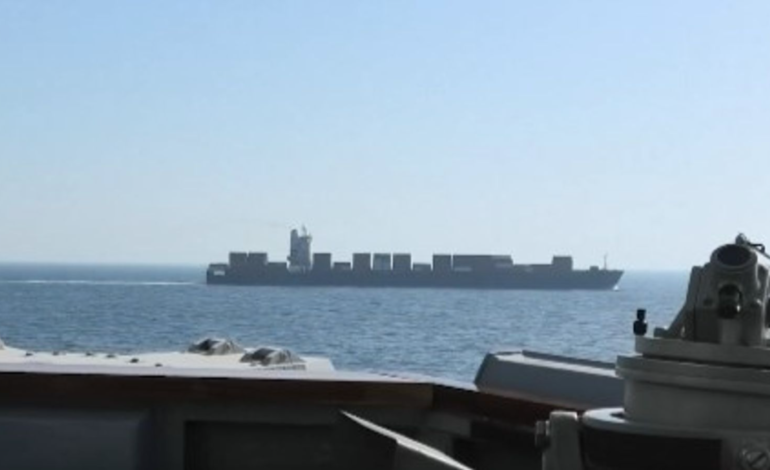
The ceasefire, which temporarily reduced hostilities following weeks of intense confrontation, is now at risk of collapsing. Analysts warn that without a clear diplomatic breakthrough, both sides could quickly return to active conflict. Military assets remain on high alert across the region, and naval forces continue to operate in and around the Strait of Hormuz, underscoring the fragile nature of the current pause in hostilities.
The stakes extend far beyond the immediate conflict. Any renewed escalation could severely disrupt global energy supplies, as a significant portion of the world’s oil passes through the narrow waterway. Even the threat of instability has already contributed to fluctuations in oil prices and heightened uncertainty in global markets.
Iran has also hinted at its readiness to respond decisively if provoked, signaling that it possesses both the capability and intent to defend its interests. This rhetoric reflects a broader strategy of deterrence, aimed at countering U.S. pressure while maintaining leverage in any potential negotiations.
As the ceasefire deadline looms, the international community faces growing anxiety over what comes next. The situation remains finely balanced between diplomacy and confrontation. Whether the coming days bring renewed talks or a return to open conflict will likely determine not only the trajectory of U.S.-Iran relations but also the stability of the global economic landscape.