Hopes rise for Middle East peace as Israel, Lebanon consider ceasefire

Fresh optimism is emerging over a possible end to the West Asia conflict, as Israel and Lebanon move closer to a potential ceasefire, while diplomatic efforts involving Iran and the United States gain momentum.
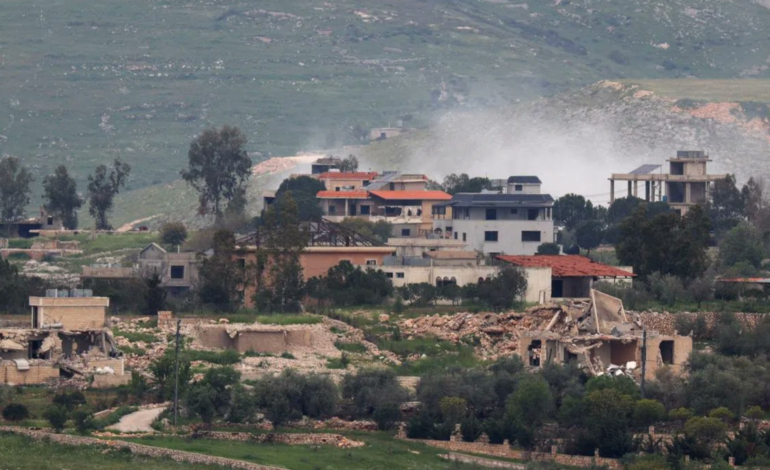
Israeli Prime Minister Benjamin Netanyahu convened a cabinet meeting to discuss a ceasefire proposal concerning ongoing hostilities with Hezbollah in Lebanon. Officials indicated that discussions are progressing, though details regarding timing and duration remain unclear.
At the same time, the administration of US President Donald Trump has expressed confidence that a broader diplomatic breakthrough may be within reach. White House officials described ongoing negotiations as “productive,” with further talks likely to take place in Islamabad.
A key role in the mediation is being played by Pakistan, with Army Chief Asim Munir currently in Tehran to help bridge differences between Washington and Tehran. Diplomatic sources say his efforts are focused on narrowing gaps that led to the collapse of earlier talks.
Ending the conflict in Lebanon remains one of the central challenges in negotiations, alongside disagreements over Iran’s nuclear programme and the reopening of the Strait of Hormuz—a critical route for global energy supplies.
Iranian officials have reiterated that any agreement must respect the country’s rights and sovereignty, particularly regarding its nuclear activities. While Tehran has signaled some openness to dialogue, it has warned that negotiations will fail if trust deficits persist.
Despite recent setbacks, markets have responded positively to the prospect of de-escalation. Stock indices on Wall Street surged to record highs, reflecting investor optimism that a resolution could stabilize global energy markets and ease inflationary pressures.
However, analysts caution that the situation remains fragile. Previous rounds of talks have broken down despite initial progress, and core disagreements continue to pose significant hurdles.
Meanwhile, economic pressure on Iran is intensifying. The United States has stepped up efforts to restrict Iranian oil exports, including warning international financial institutions against facilitating transactions linked to Tehran. These measures are part of a broader strategy to push Iran toward concessions at the negotiating table.
As diplomacy and military tensions unfold simultaneously, the coming days will be critical. A ceasefire between Israel and Lebanon, combined with renewed US-Iran talks, could mark a turning point in the conflict. But without concrete agreements, the risk of renewed escalation remains.