US Senate warns of rising nuclear threat from China and Russia

The United States is entering what officials describe as a “more dangerous era” of global security, marked by simultaneous nuclear competition with both China and Russia. The warning came during a high-level Senate hearing, where lawmakers and defence leaders stressed the urgency of modernising America’s nuclear arsenal.
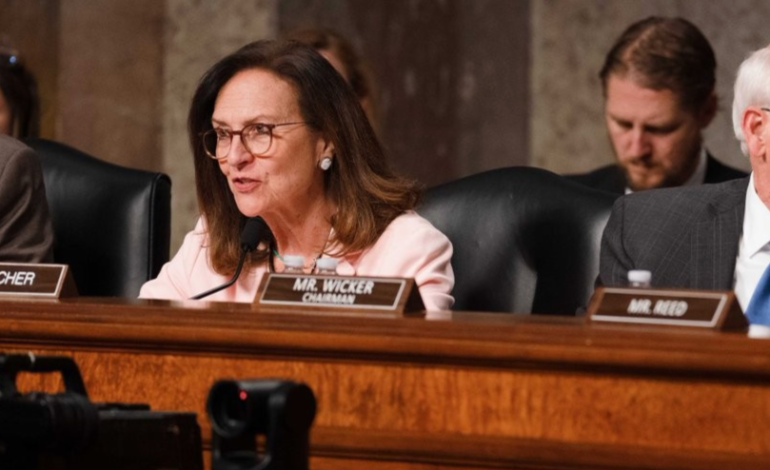
At the hearing, Senator Deb Fischer highlighted the unprecedented challenge facing Washington: deterring two major nuclear powers at the same time. She noted that both China and Russia are rapidly expanding and upgrading their nuclear capabilities, shifting the strategic balance in ways not seen since the Cold War.
Security experts echoed those concerns. Robert Kadlec described China’s nuclear expansion as “breathtaking and opaque,” while also warning that Russia continues integrating advanced nuclear systems into its military doctrine. Officials said the convergence of these developments represents not a future threat, but an immediate and pressing crisis.
In response, the U.S. government is accelerating efforts to modernise its ageing nuclear infrastructure. Many of the current systems date back decades, making upgrades both complex and costly. According to defence officials, priorities include ramping up production of critical components such as plutonium pits and uranium elements, while rebuilding facilities that support the nuclear enterprise.
Senator Angus King emphasized the seriousness of China’s rapid build-up, citing intelligence briefings that underscore the scale and speed of its progress. At the same time, Pentagon officials stressed the need to deploy next-generation systems quickly to maintain deterrence.
Key programs such as the Sentinel intercontinental ballistic missile and the B-21 bomber are central to this strategy. These systems are designed to replace older platforms and ensure that the United States retains a credible and effective nuclear deterrent across land, air, and sea.
However, military leaders acknowledged that the transition is placing strain on existing forces. Air Force and naval officials warned that current operations are being conducted under increasing pressure, even as modernization efforts move forward.
Beyond weapons development, officials also pointed to the importance of maintaining industrial capacity and addressing environmental risks linked to legacy nuclear sites. Investments are being directed not only at defence capabilities but also at long-term sustainability and safety.
Despite the significant financial burden—estimated at over 5 percent of the defence budget—lawmakers argued that the cost is necessary. As Kadlec noted, the alternative could be far more dangerous: a world where miscalculation between nuclear powers leads to catastrophic conflict.
The hearing underscored a clear message—global nuclear competition is intensifying, and the window to maintain strategic stability may be narrowing.